Scalequence 2023
Scalequence 2023
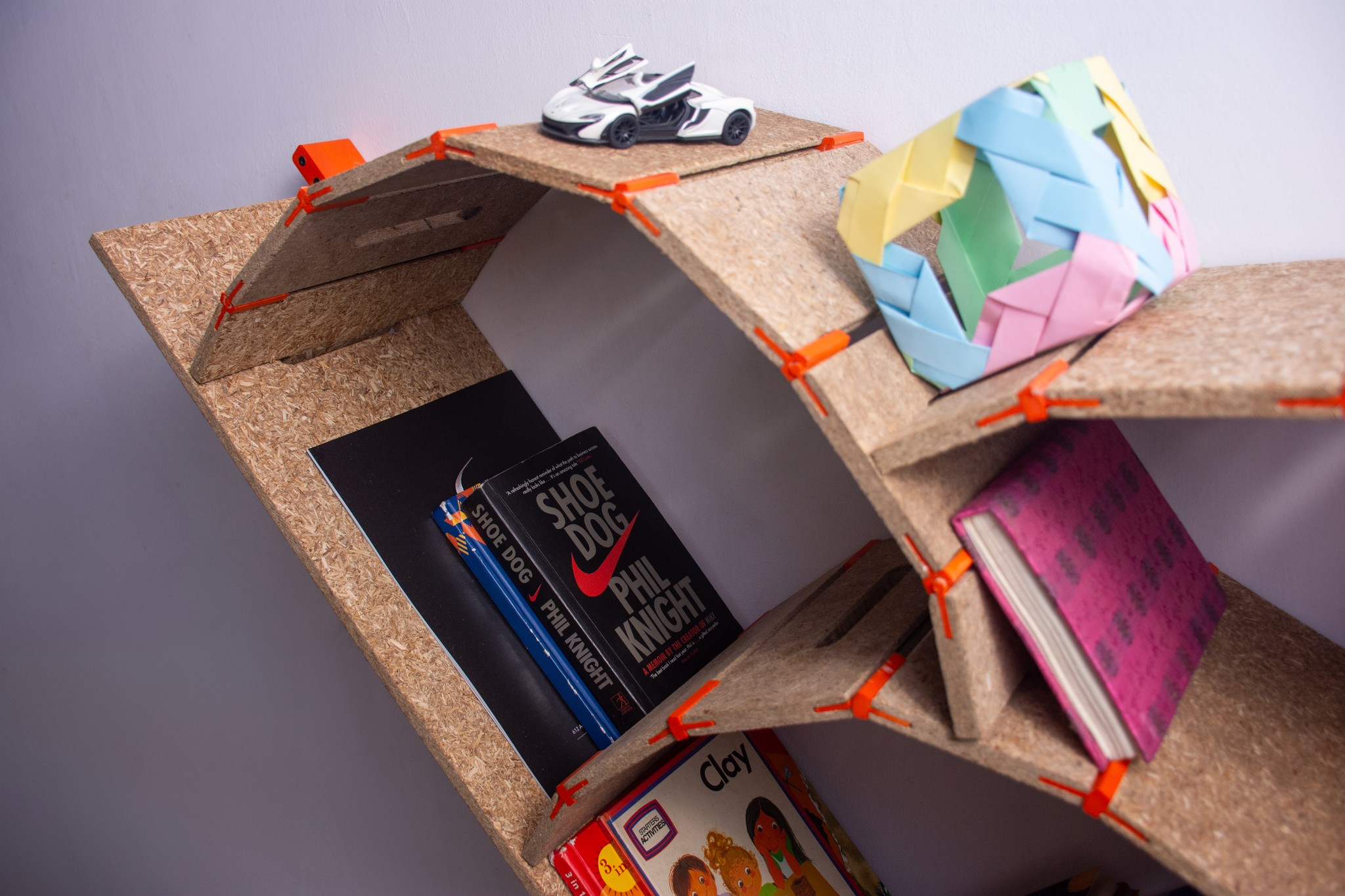
Scalequence //
Re-imagining Book Storage
Scalequence //
Re-imagining Book Storage

Brief-1
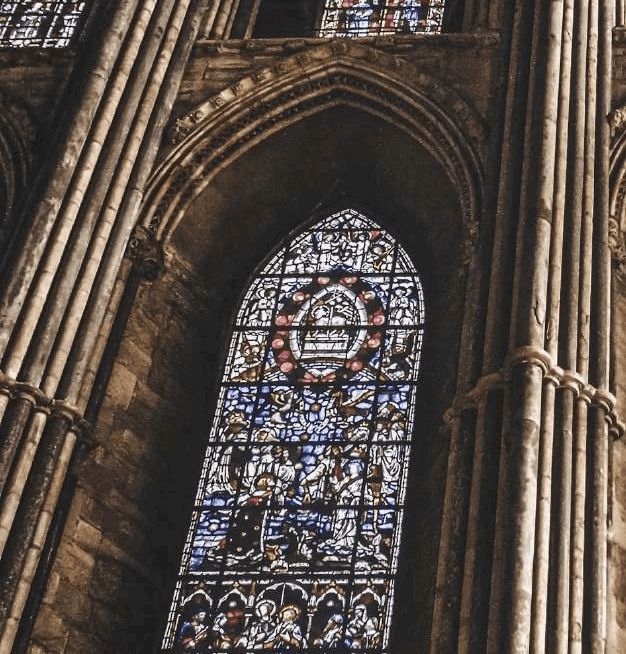
Theme Focus: Use nature as the primary inspiration for furniture design, not just in form and aesthetics but also in function. Students could be asked to draw inspiration from natural processes, biomimicry, or organic shapes, while using Craste’s boards.
Brief-2
Theme Focus: Take traditional furniture designs and reimagine them using Craste’s modern, sustainable materials. This could involve updating heritage pieces with new functionality or giving classic forms a contemporary twist.

Brief-3
Theme Focus: Designing furniture that brings elements of nature into urban living spaces. This could be through integrating planters, using organic shapes, or creating spaces for greenery within the furniture itself.

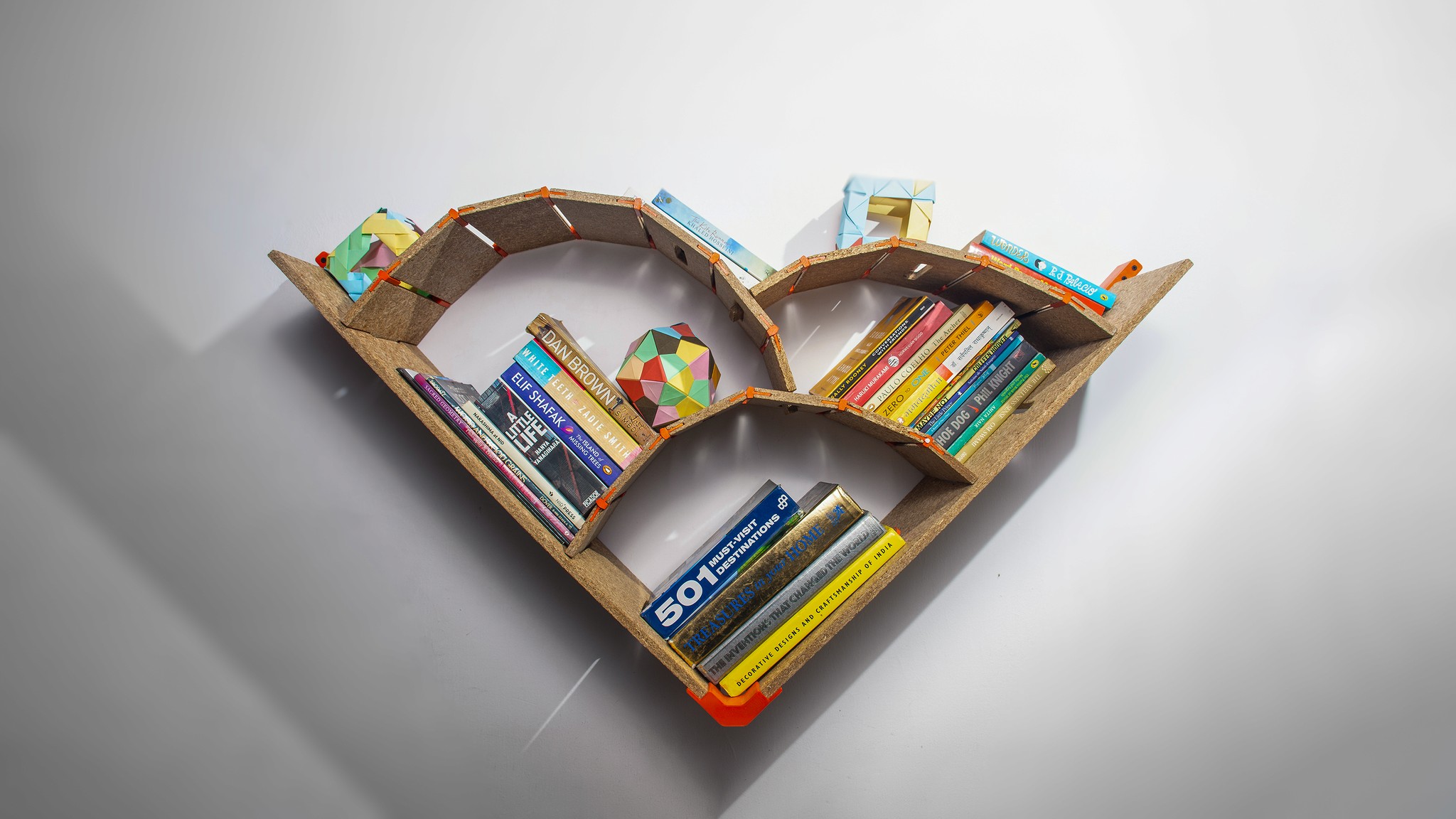
Scalequence is not just a place to store books it’s an invitation to explore, engage, and rediscover the joy of reading. By fusing sustainability, biomimicry and adaptable design we are crafting a future where books remain a central part of life, even for a generation raised on screens.
Scalequence is not just a place to store books it’s an invitation to explore, engage, and rediscover the joy of reading. By fusing sustainability, biomimicry and adaptable design we are crafting a future where books remain a central part of life, even for a generation raised on screens.
Material R&D
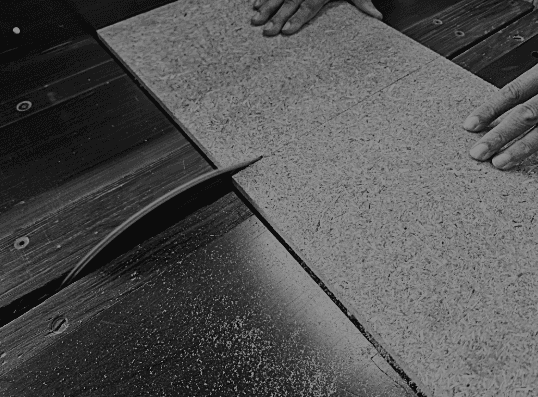
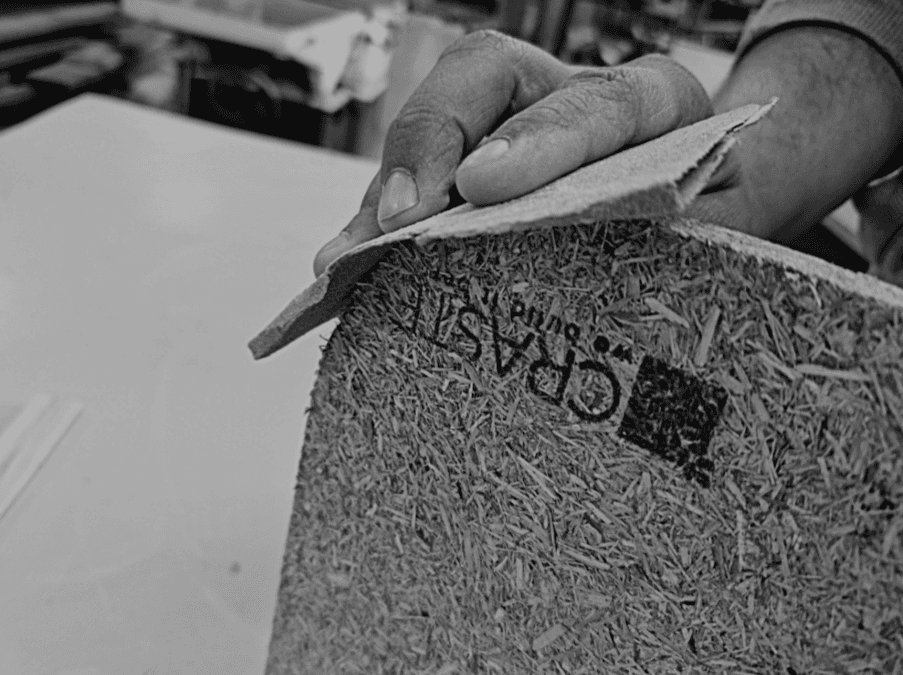
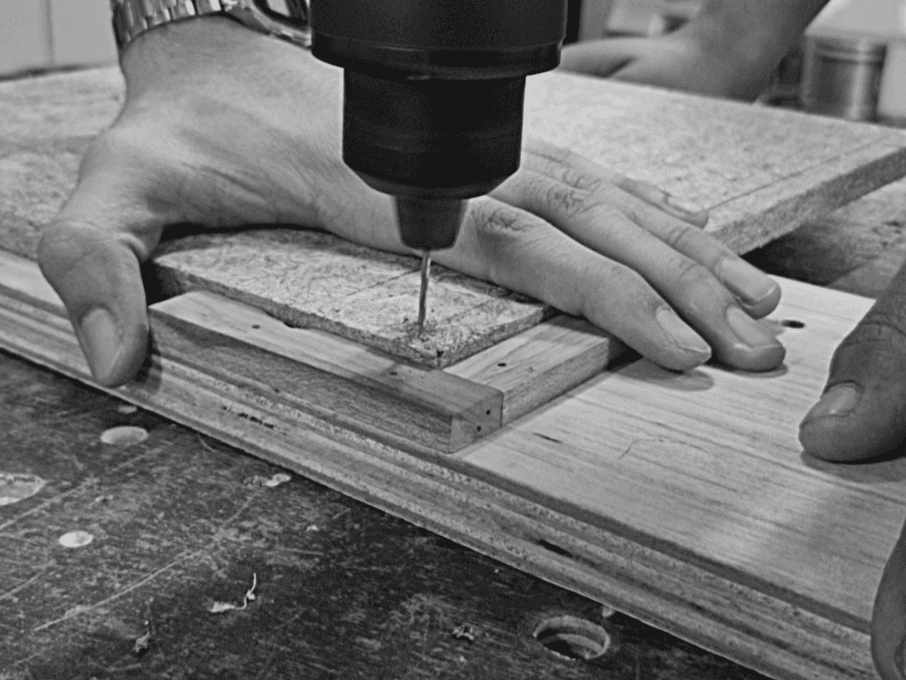
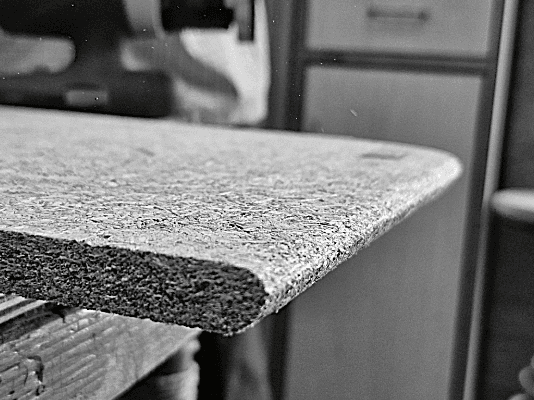
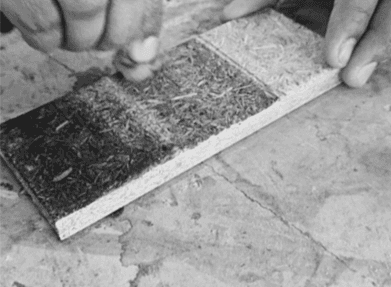
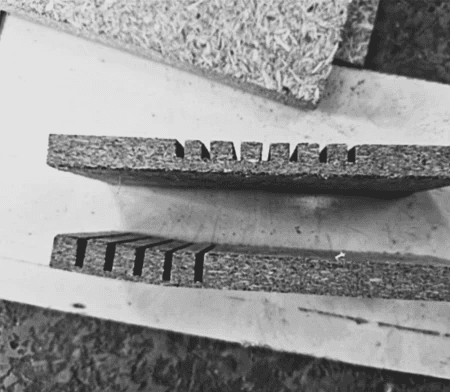
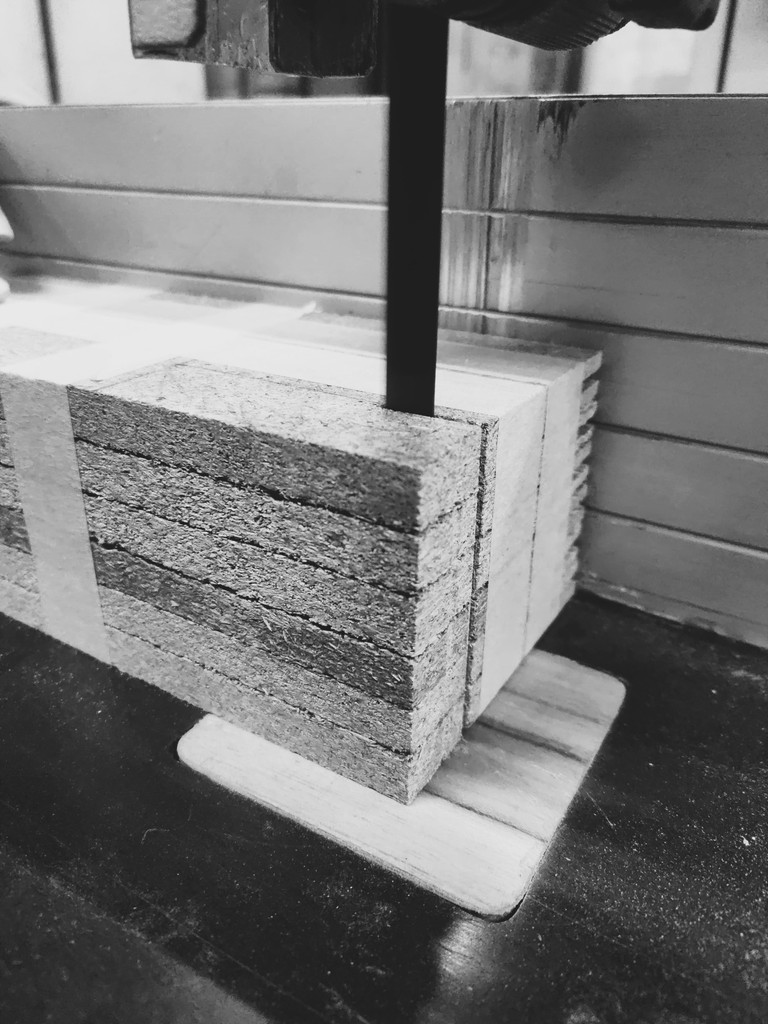
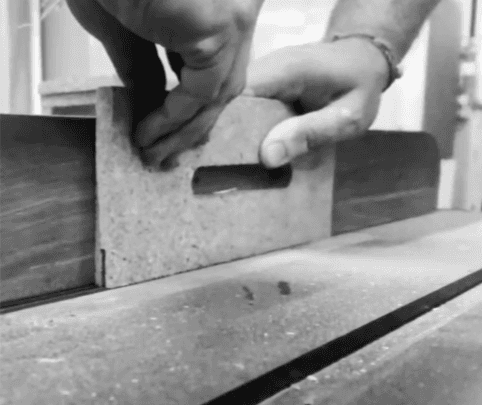
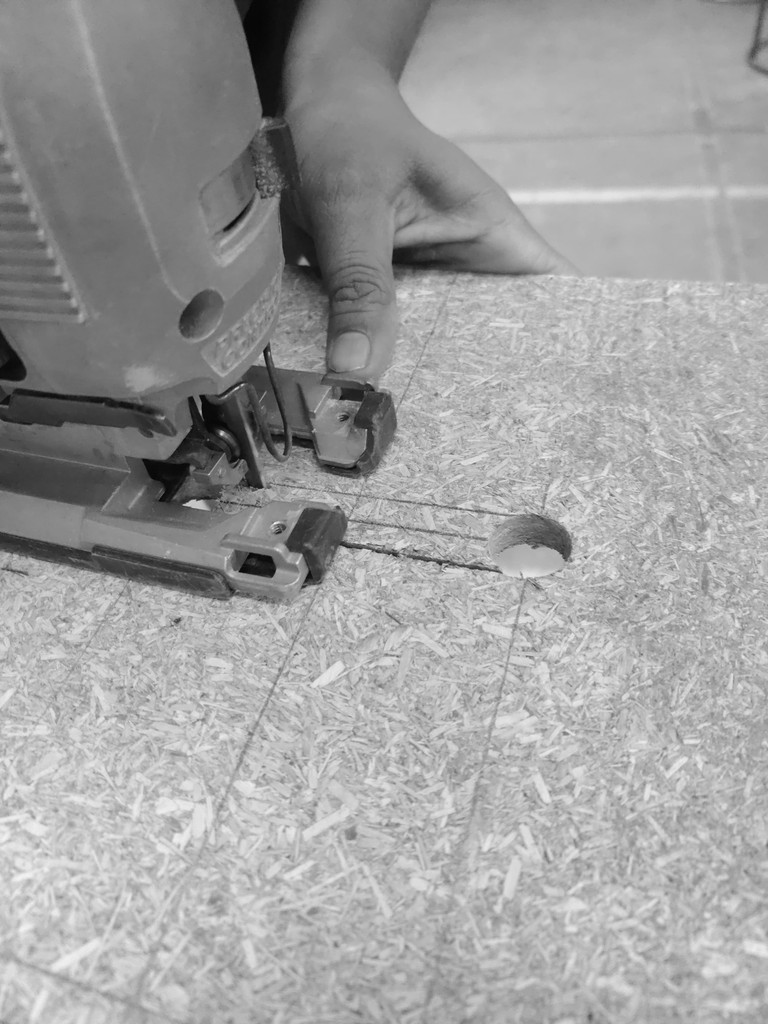
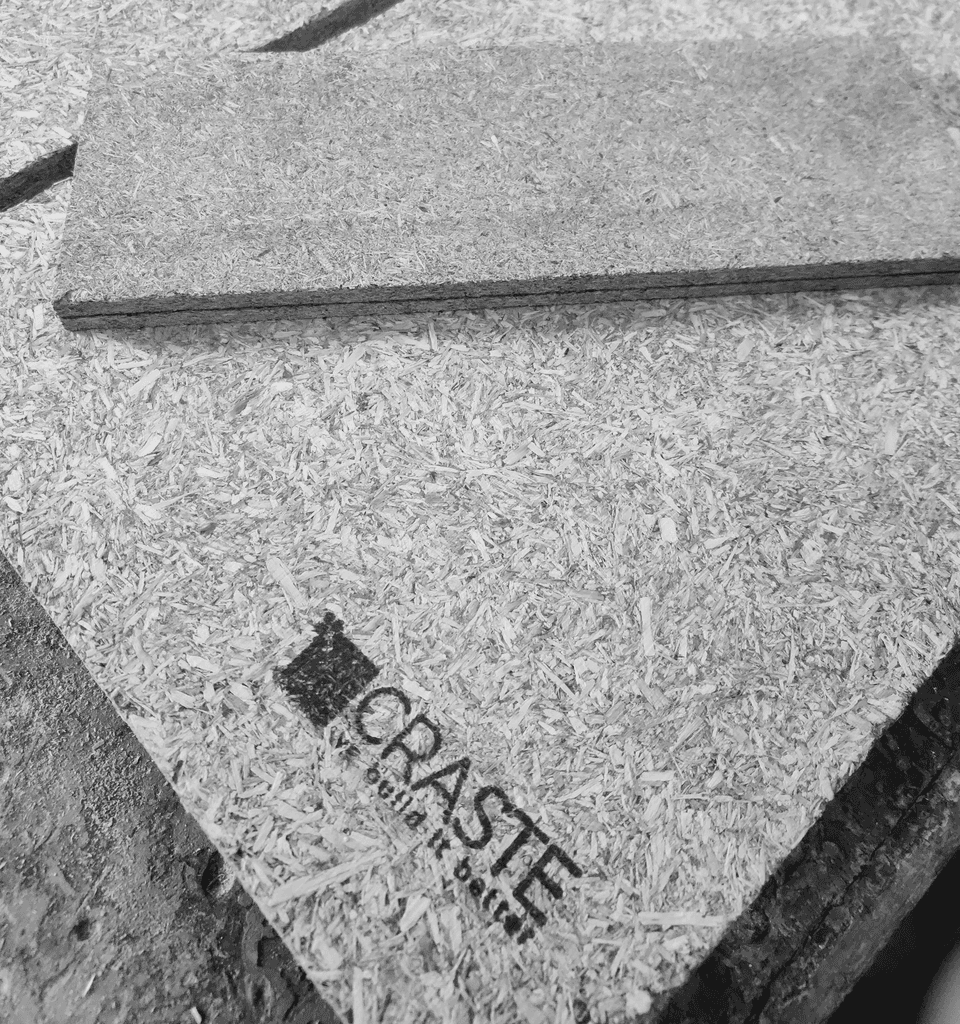
The first step Was to understand the characteristics of the material provided to us by : cutting, sanding, drilling, hand routing, grooving, staining, painting to understand its limitations.
Initial Brief
Initial Brief
Brief-1
Theme Focus: Use nature as the primary inspiration for furniture design, not just in form and aesthetics but also in function. Students could be asked to draw inspiration from natural processes, biomimicry, or organic shapes, while using Craste’s boards.
Brief-2
Theme Focus: Take traditional furniture designs and reimagine them using Craste’s modern, sustainable materials. This could involve updating heritage pieces with new functionality or giving classic forms a contemporary twist.
Brief-3
Theme Focus: Designing furniture that brings elements of nature into urban living spaces. This could be through integrating planters, using organic shapes, or creating spaces for greenery within the furniture itself.
Material R&D
The first step Was to understand the characteristics of the material provided to us by : cutting, sanding, drilling, hand routing, grooving, staining, painting to understand its limitations.
Exploring possibilities around contest themes

Exploring possibilities around contest themes
Exploring possibilities around contest themes
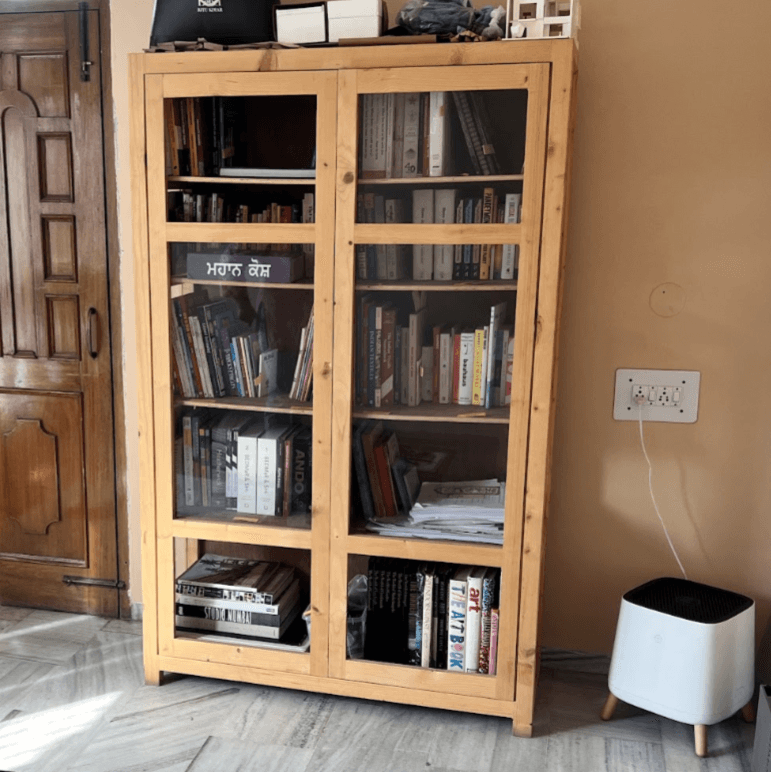
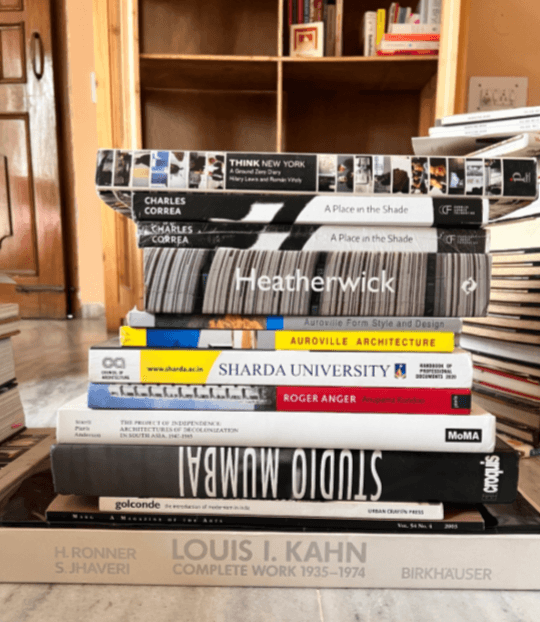
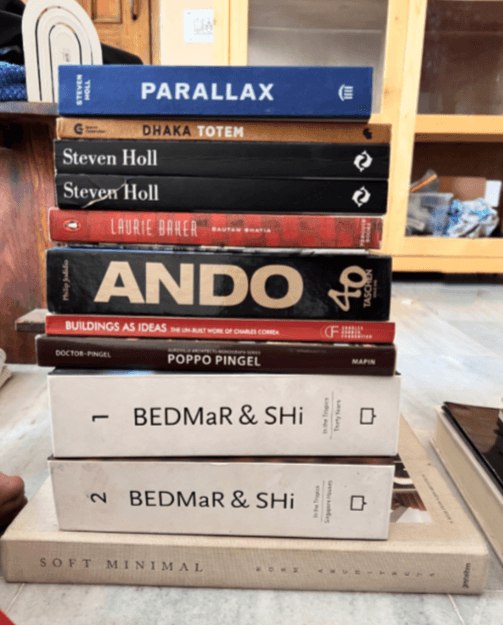
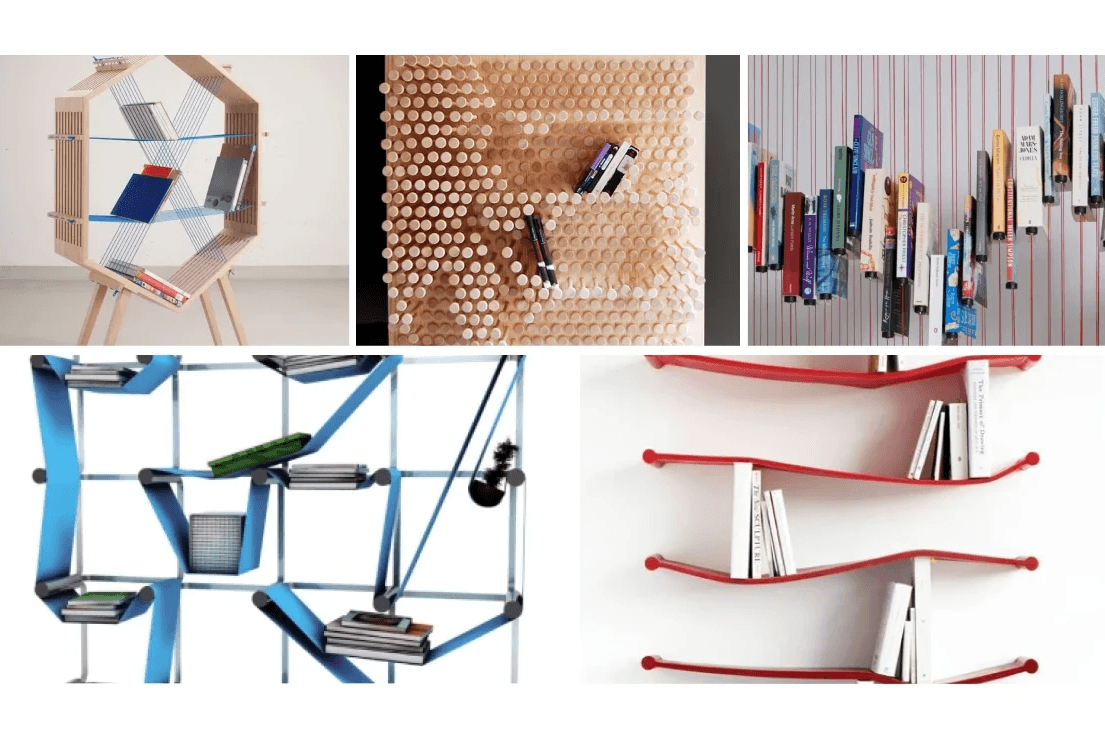
Looking at existing innovations in adaptable/ transformative book storage concepts
Looking at existing innovations in adaptable/ transformative book storage concepts

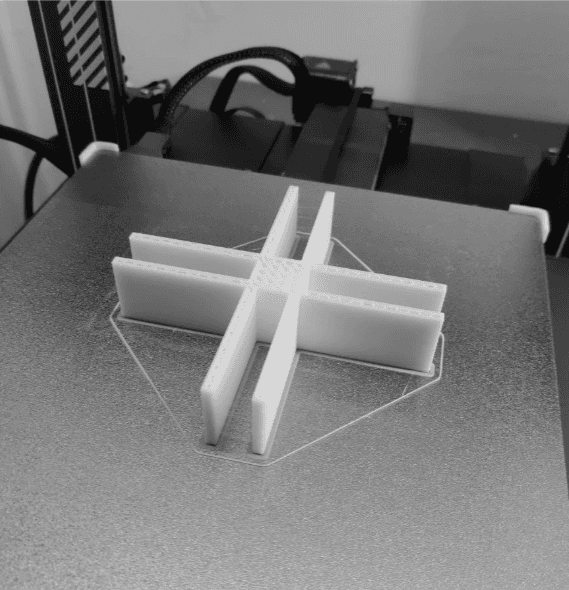
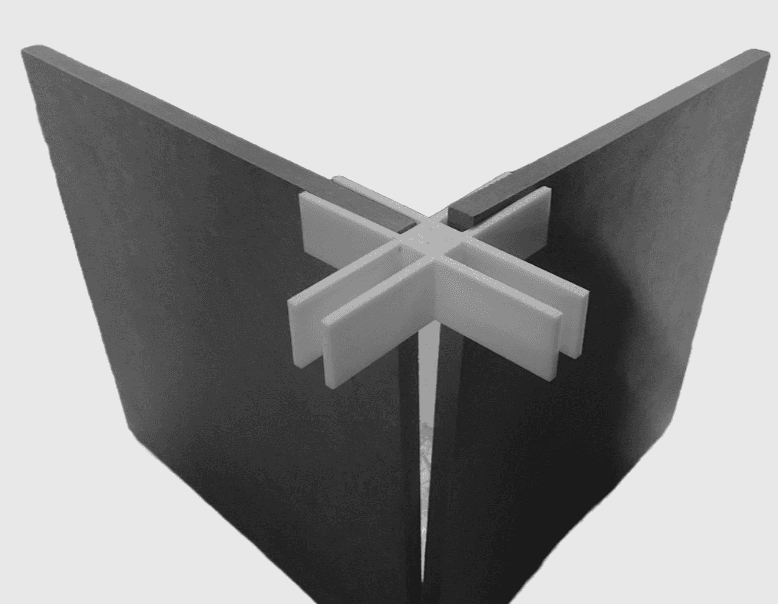
Supporting material for joinery 3D Printing
Supporting material for joinery 3D Printing
Problem Statement
Problem Statement
Traditional bookshelves are static and lack adaptability, making it difficult to store books of varying sizes or expand collections by topic. In an era dominated by screens, they fail to engage younger readers or offer opportunities for personalization and interaction.
Traditional bookshelves are static and lack adaptability, making it difficult to store books of varying sizes or expand collections by topic. In an era dominated by screens, they fail to engage younger readers or offer opportunities for personalization and interaction.
The challenge is to create a bookshelf that goes beyond storage inviting interaction, curiosity, and personalization for the tech-savvy generation.
The challenge is to create a bookshelf that goes beyond storage inviting interaction, curiosity, and personalization for the tech-savvy generation.
Brief
Brief
A modular bookshelf that grows and adapts with your collection whether large or small, thick or thin. Designed for personalization, it invites users to play, customize, and expand, transforming book storage into an engaging and creative experience.
A modular bookshelf that grows and adapts with your collection whether large or small, thick or thin. Designed for personalization, it invites users to play, customize, and expand, transforming book storage into an engaging and creative experience.
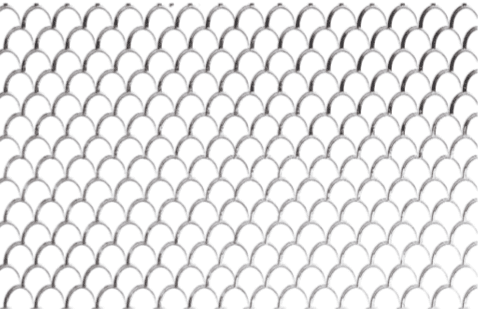
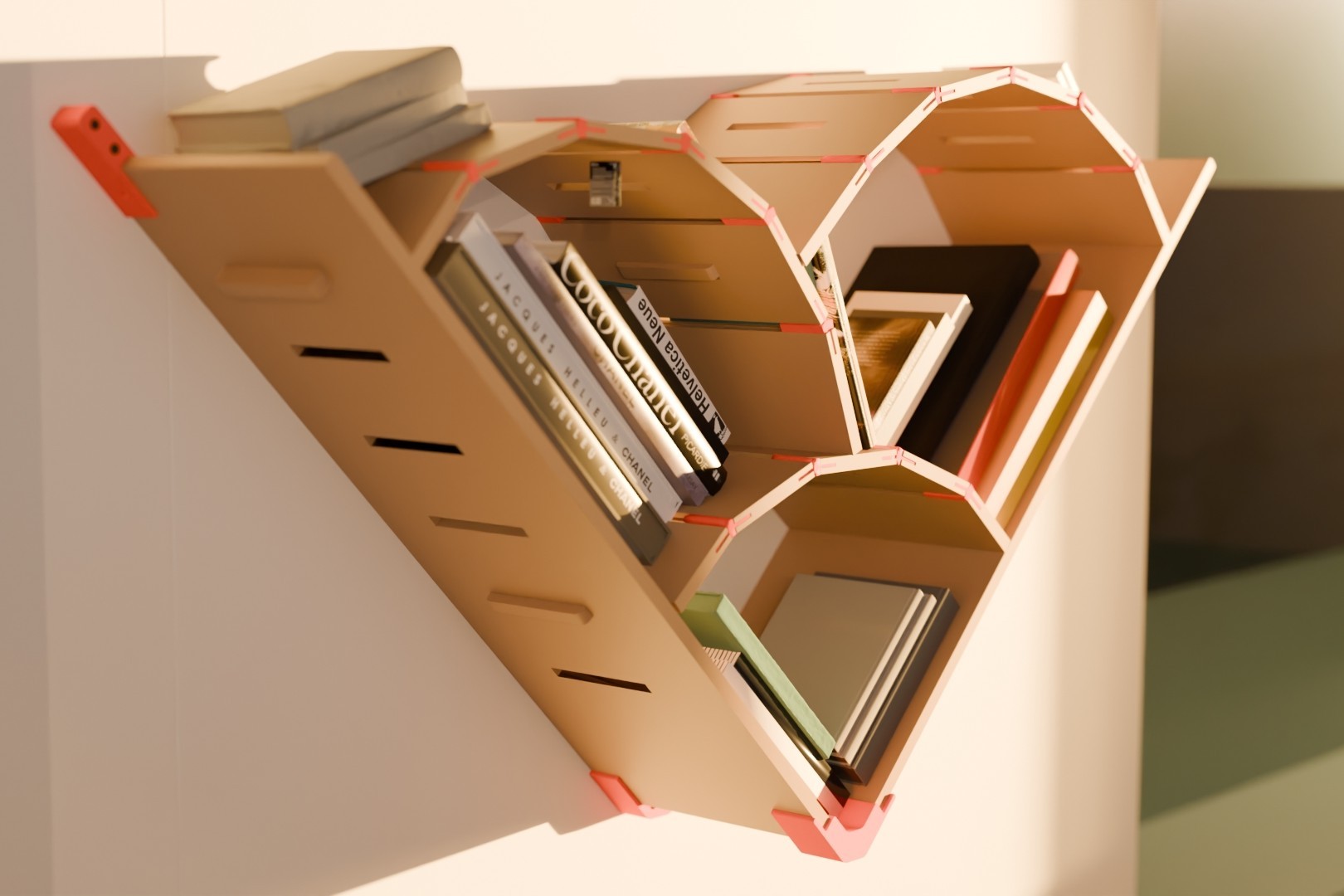
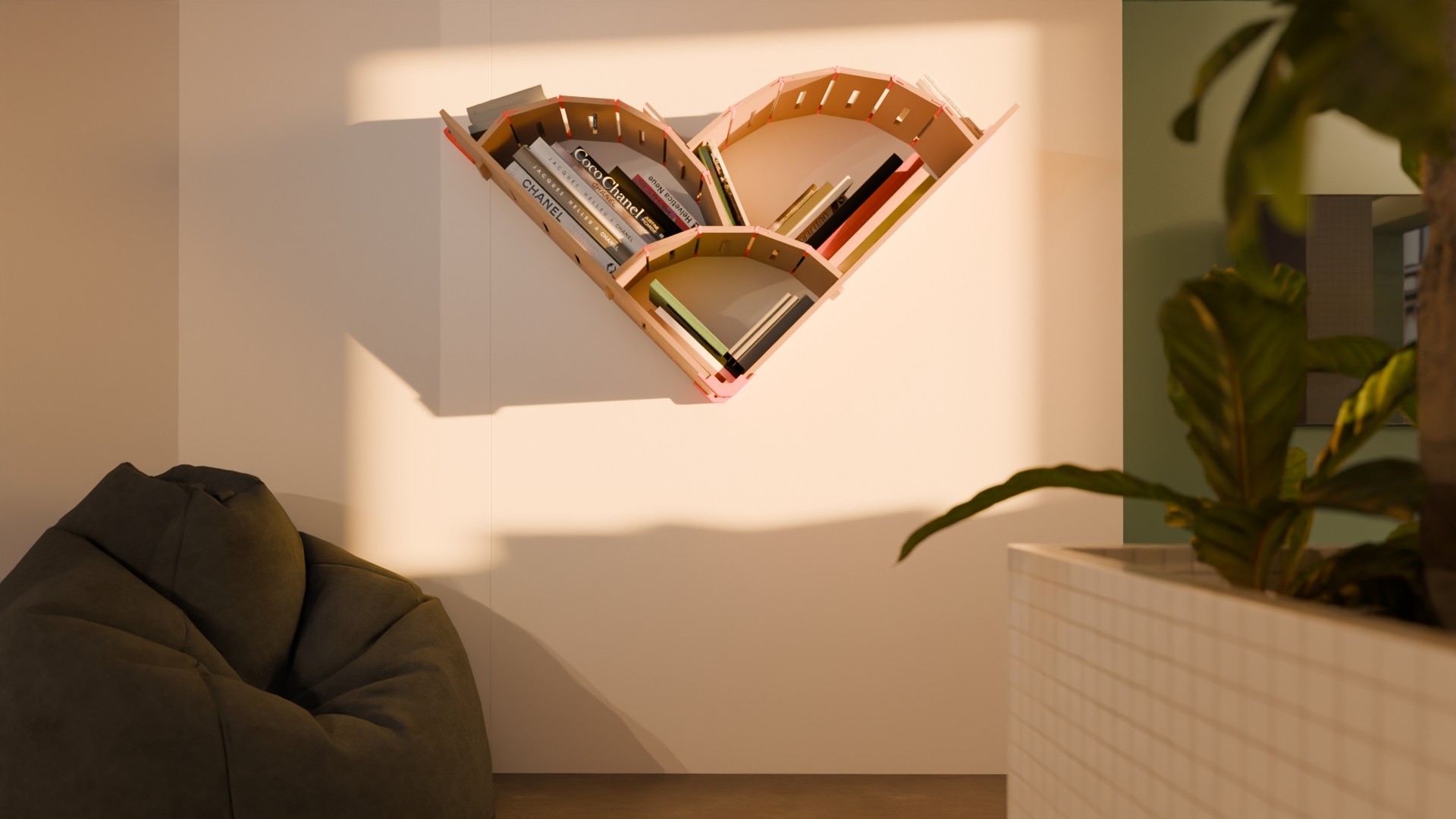
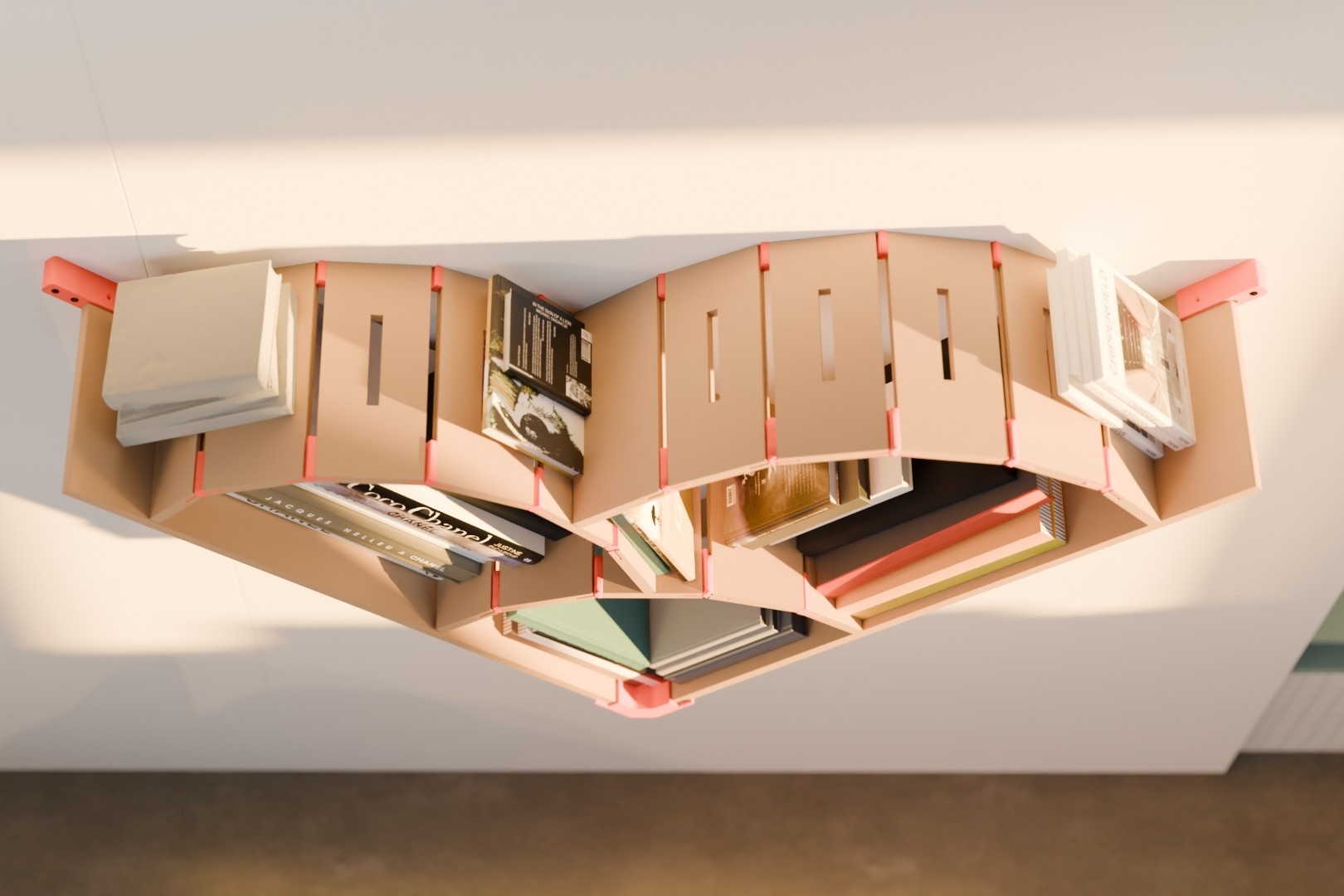
At Last We took Biomimicry as the guiding principle behind our concept. Drawing direct inspiration from the structure and stacking of fish scales, this design seeks to emulate the overlapping, adaptable, and space-efficient qualities of their arrangement.
At Last We took Biomimicry as the guiding principle behind our concept. Drawing direct inspiration from the structure and stacking of fish scales, this design seeks to emulate the overlapping, adaptable, and space-efficient qualities of their arrangement.
Conceptualization and Making
Conceptualization and Making
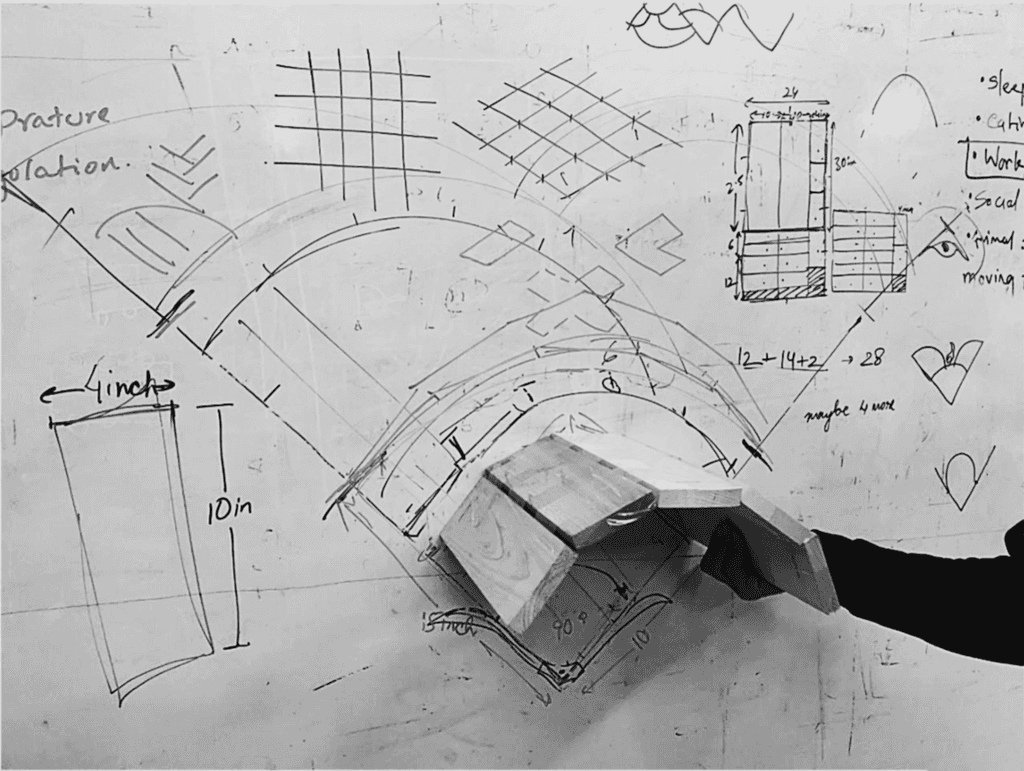
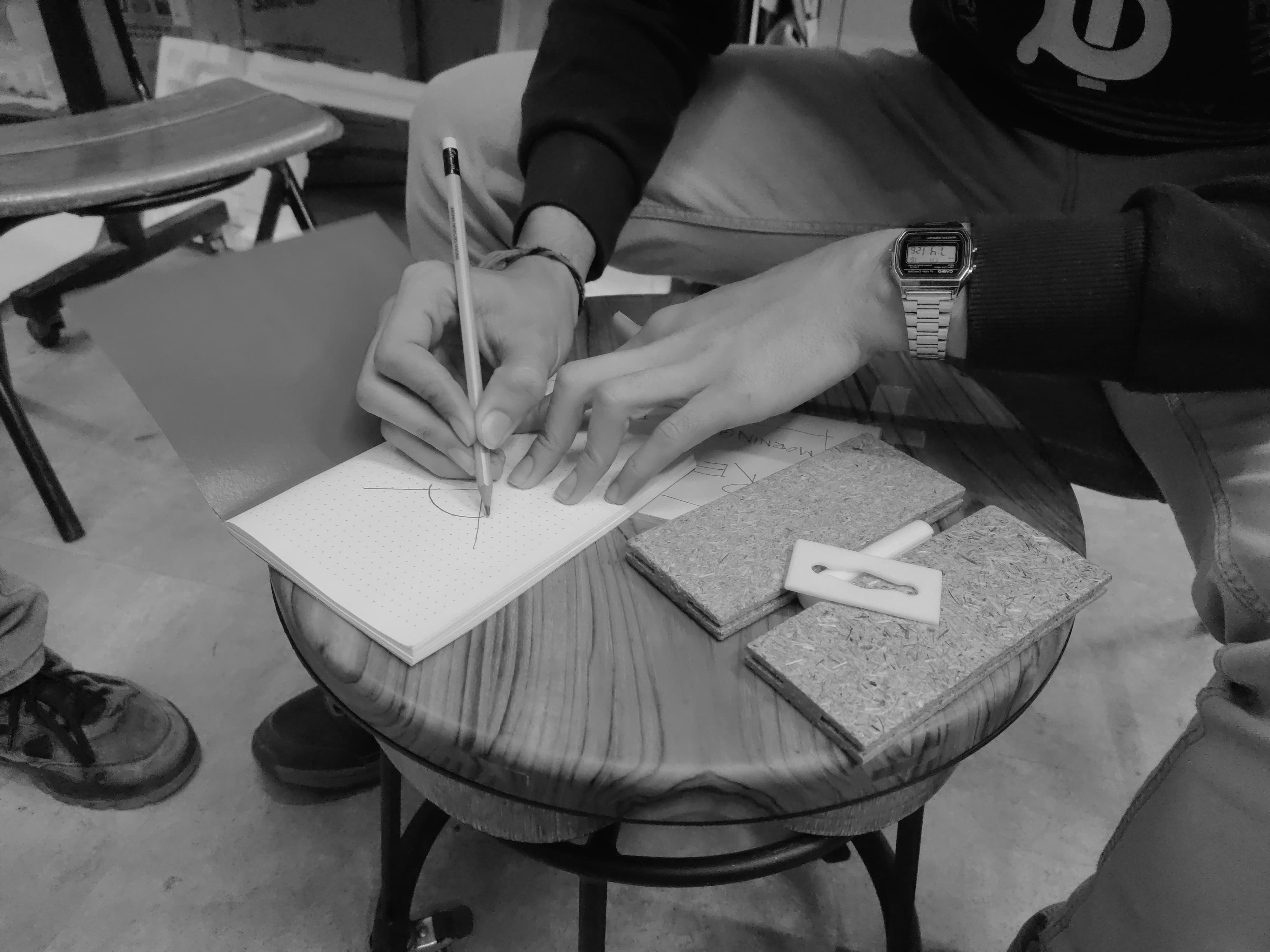
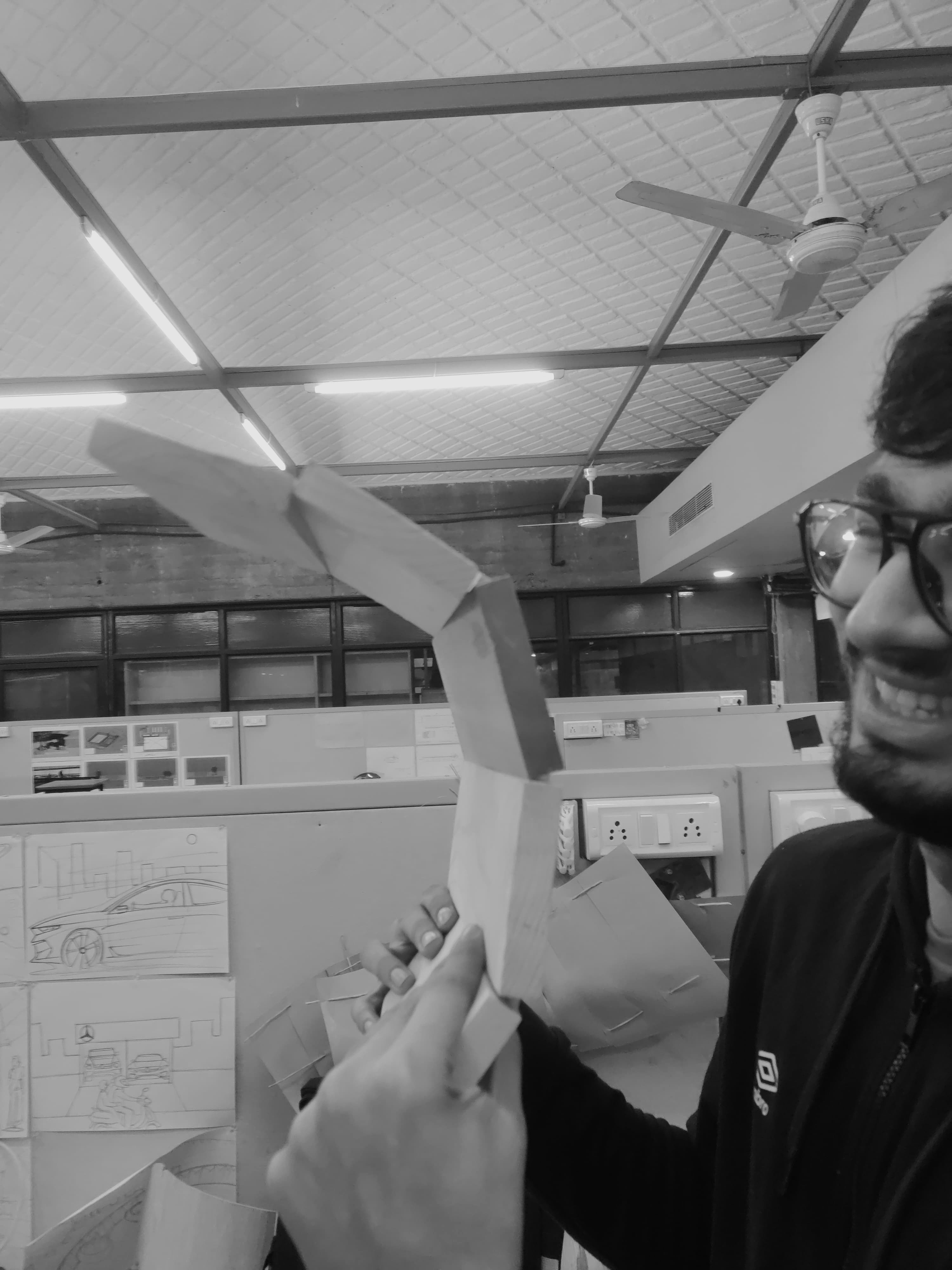
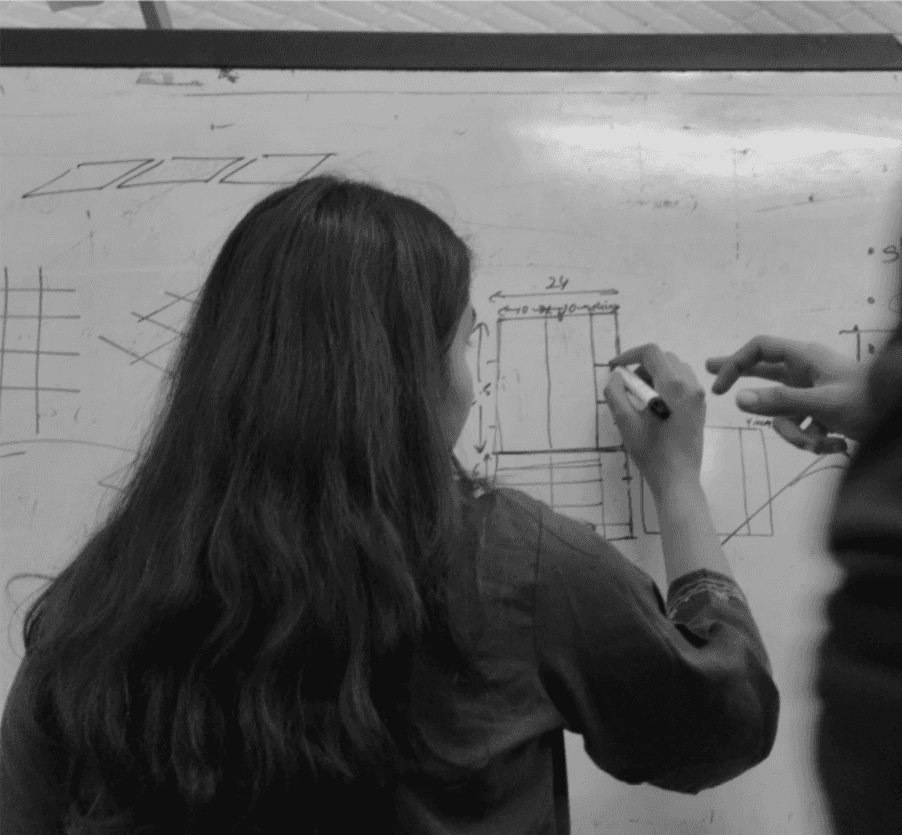
Why 3D printing ?
Why 3D printing ?
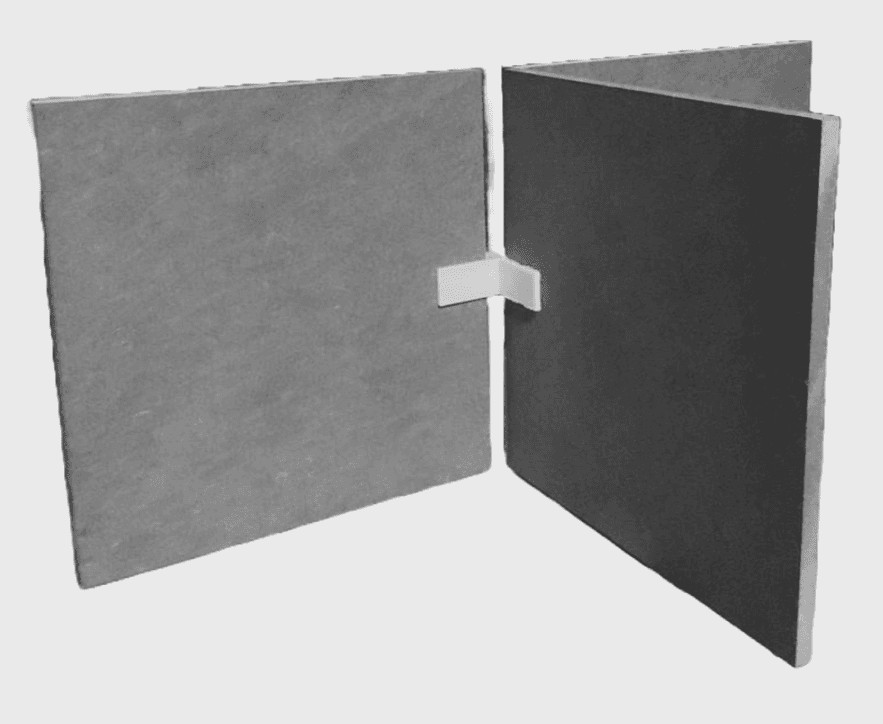
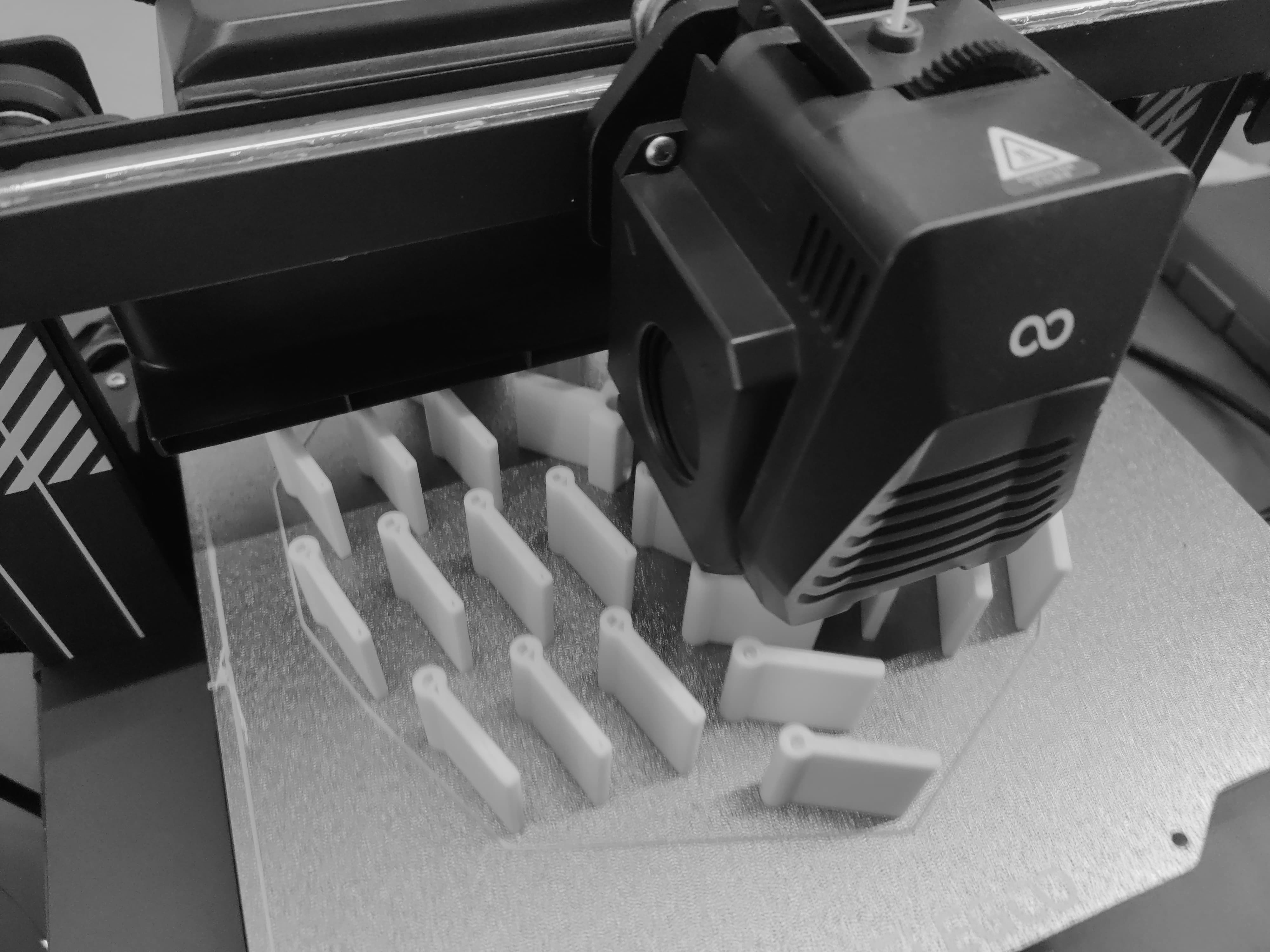
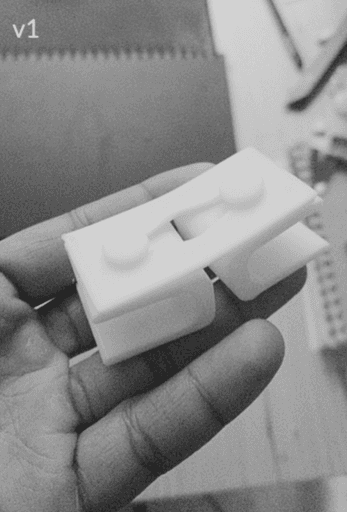
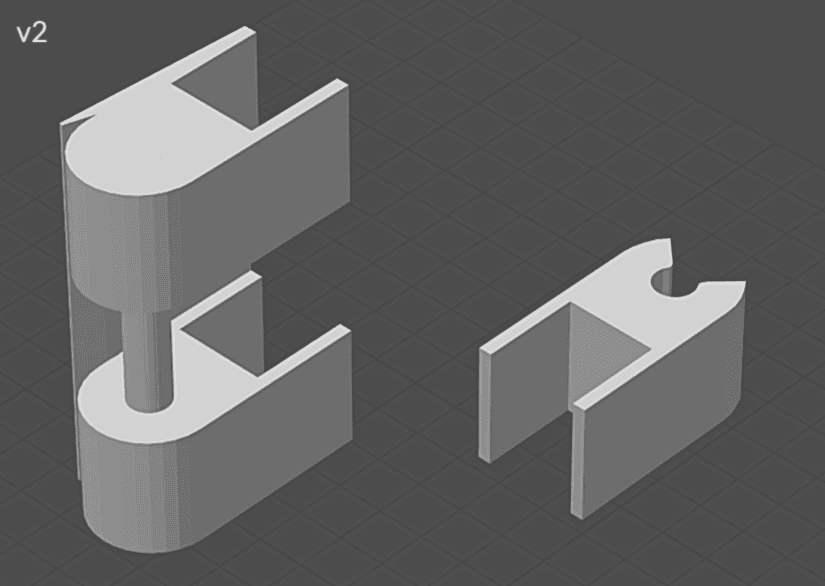
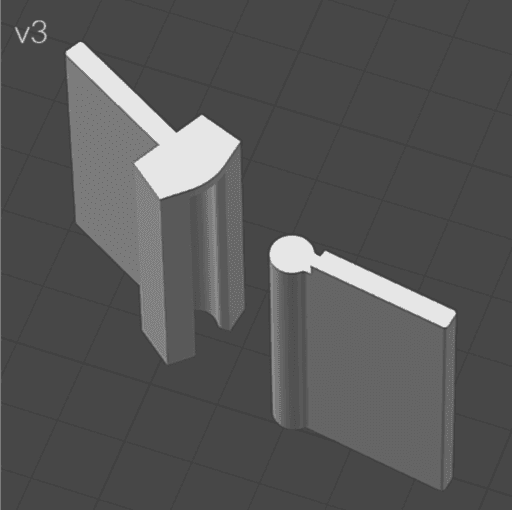
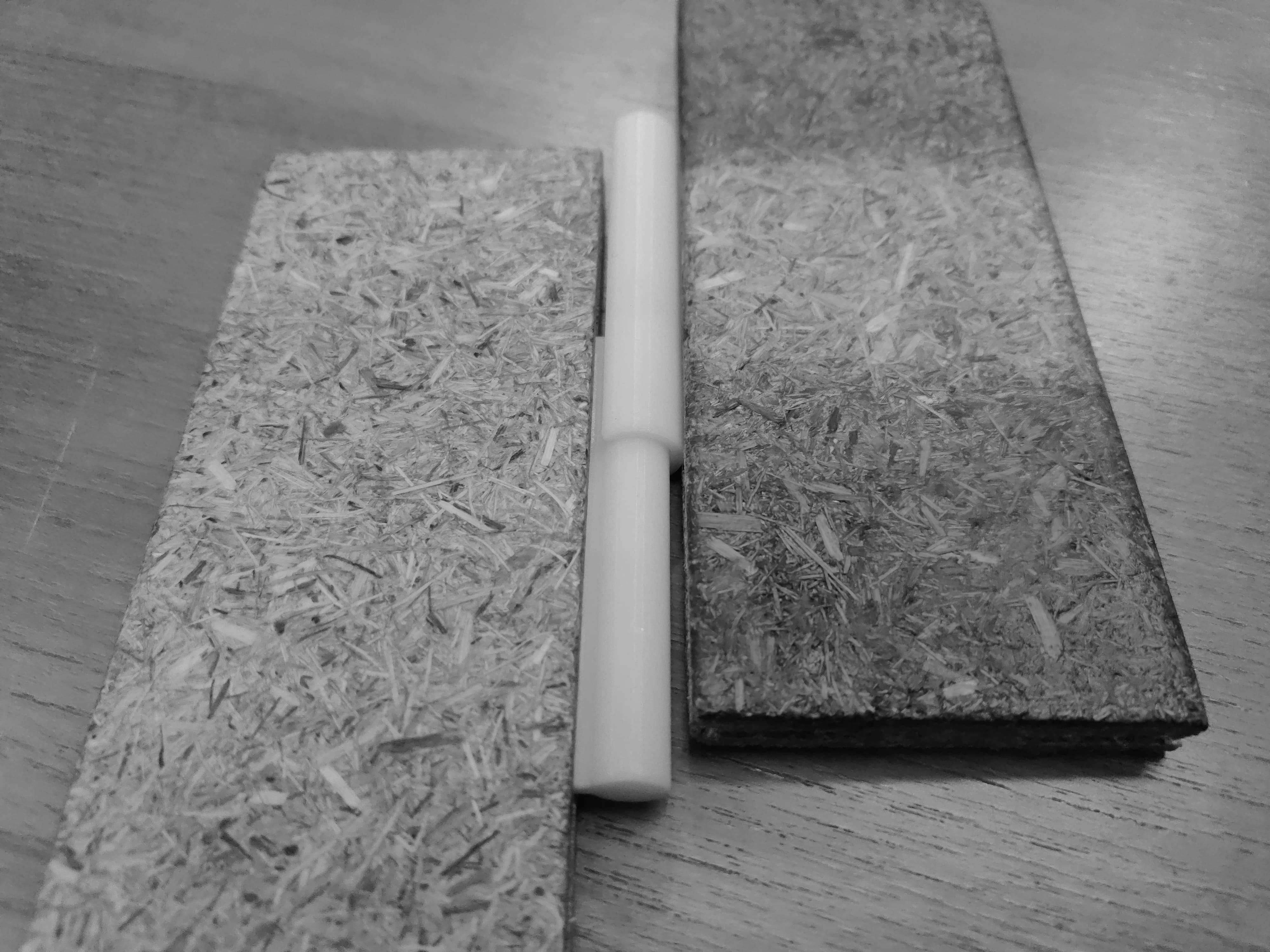
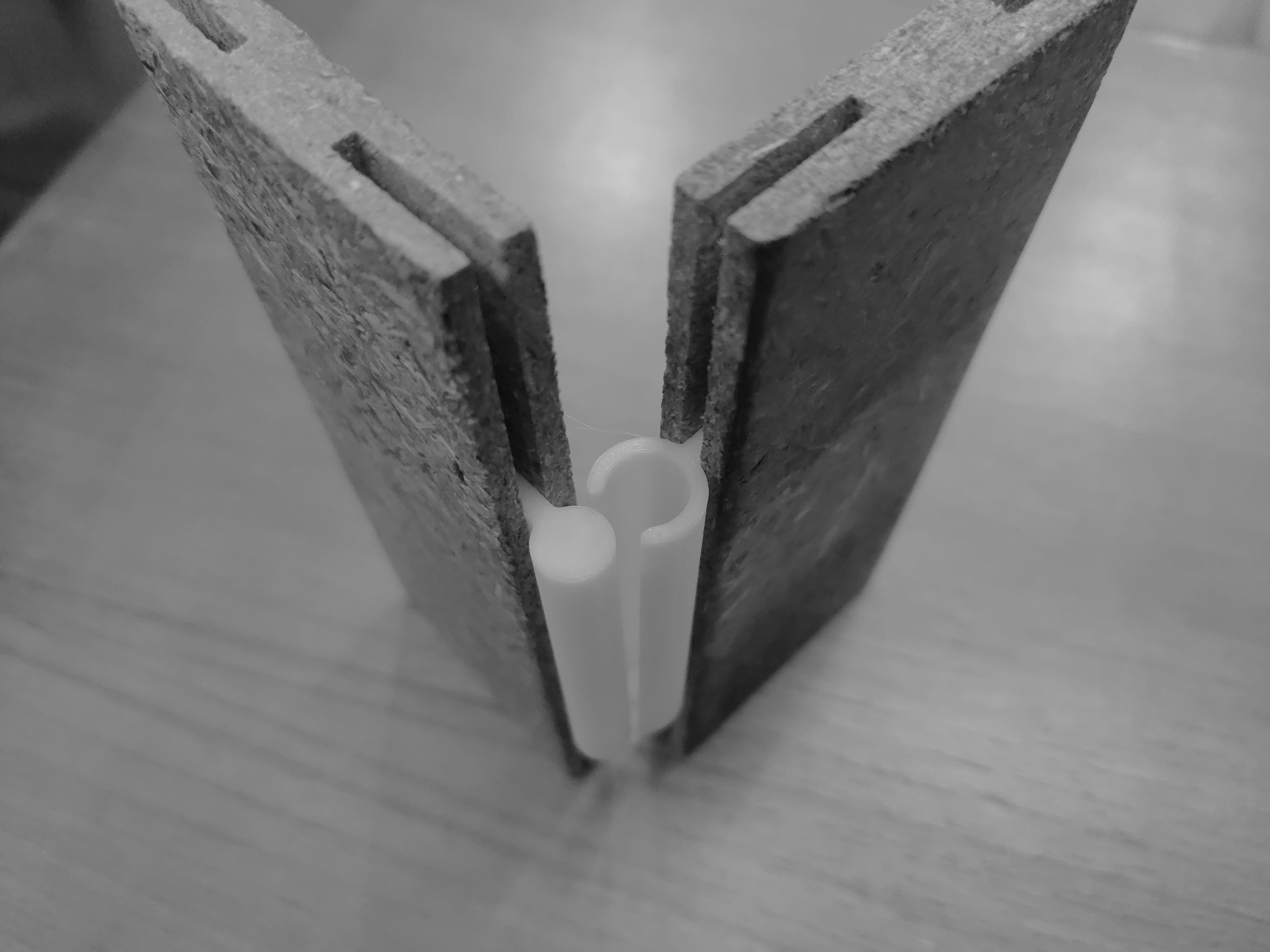
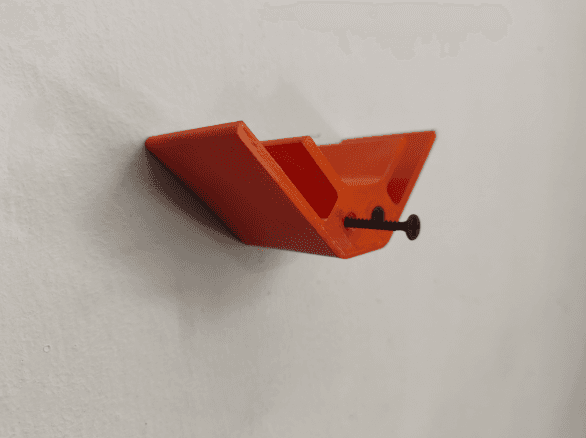
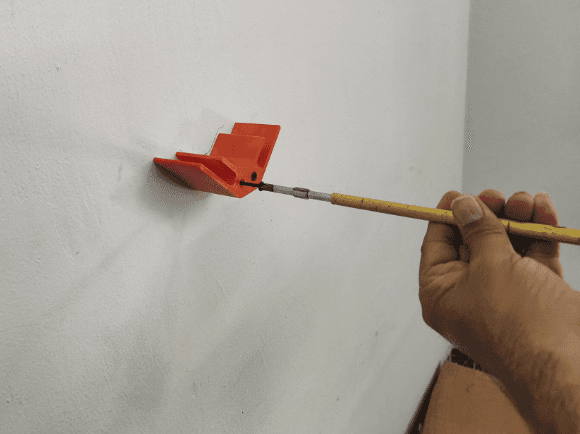
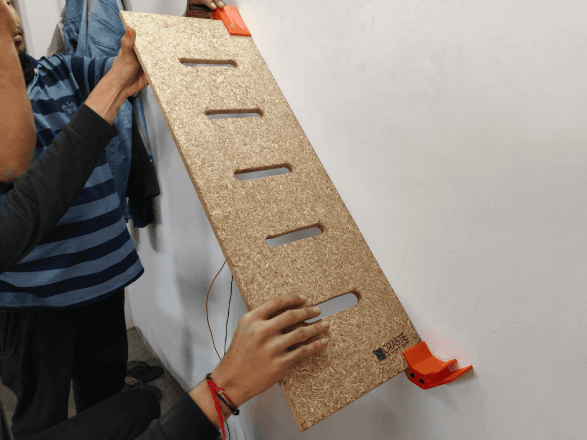
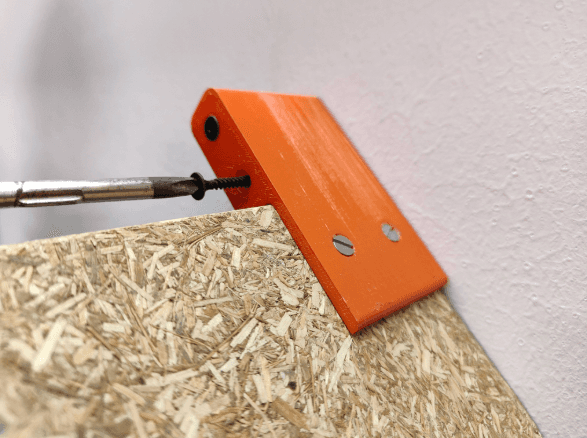
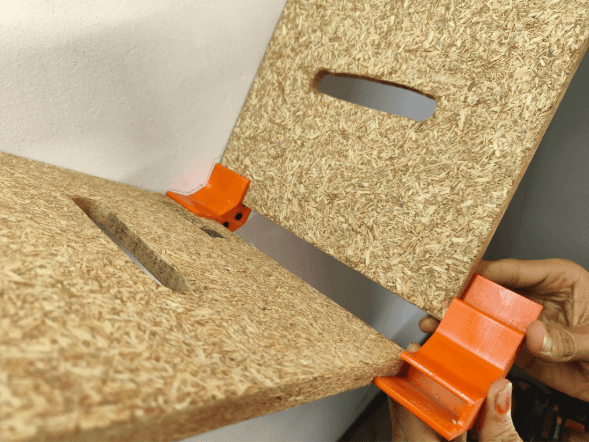
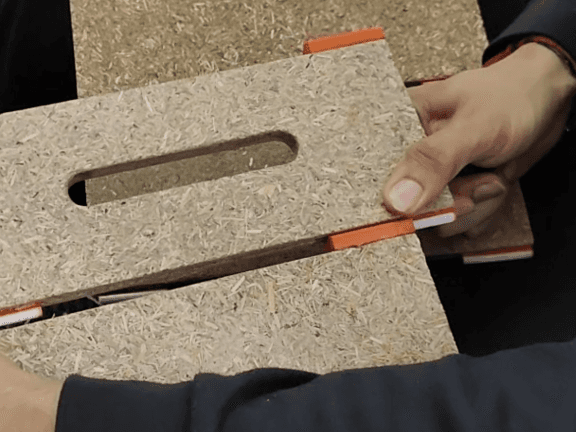
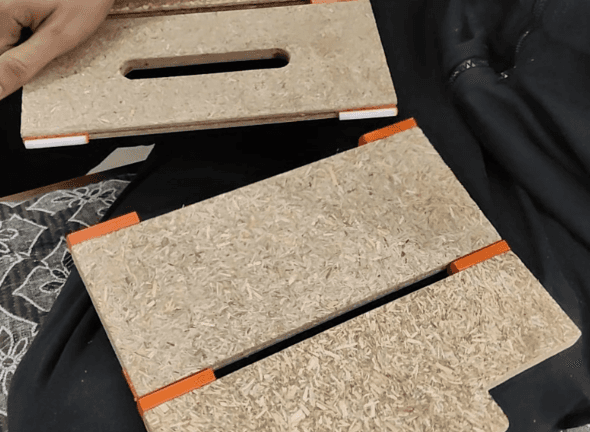
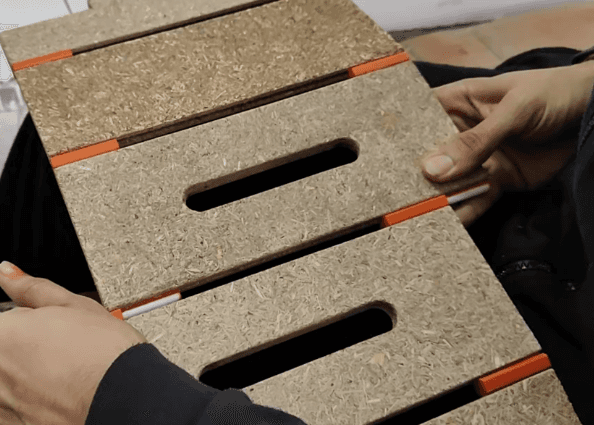
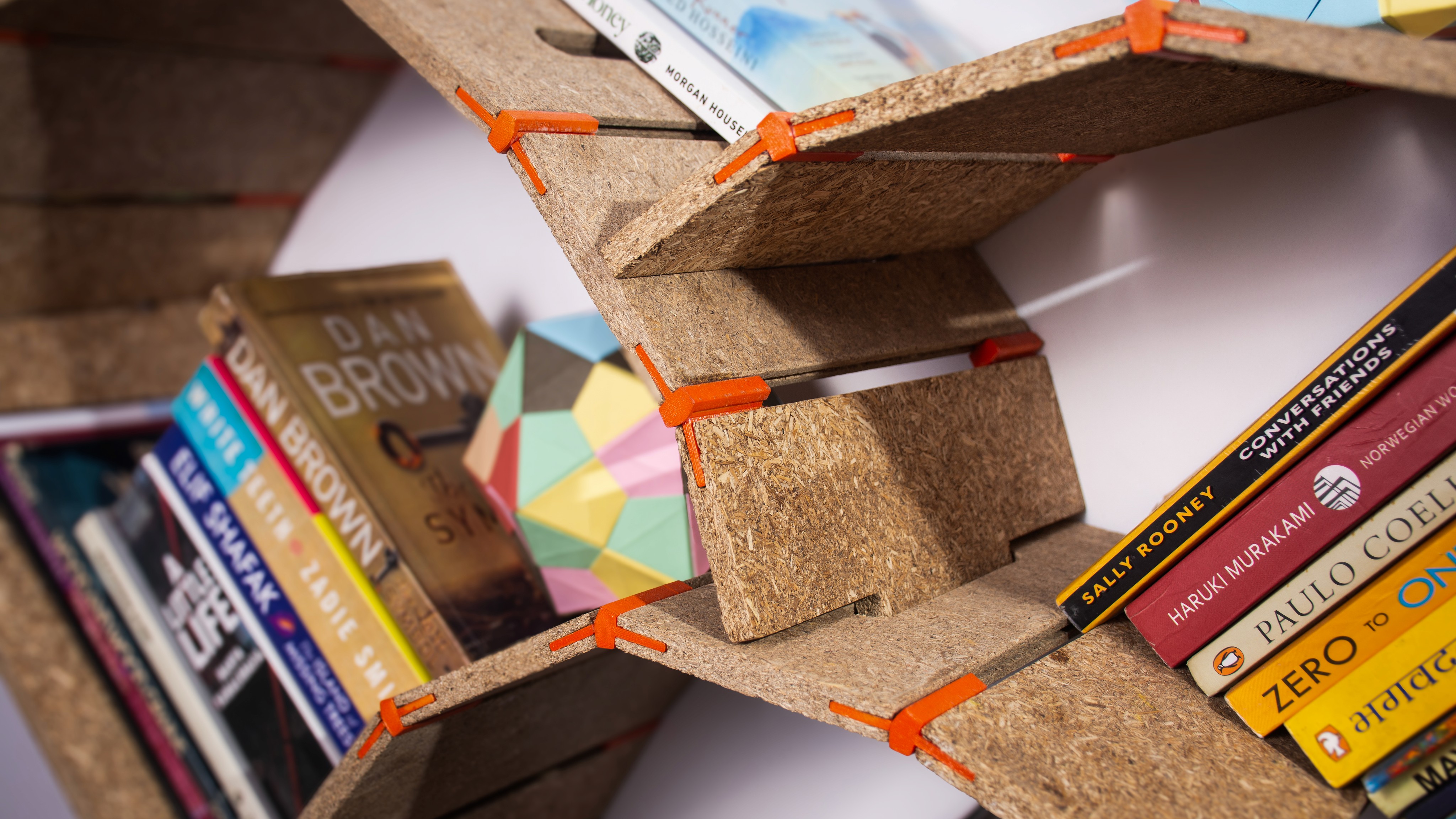
Used 3D printing with biodegradable PLA to prototype custom joinery for the modular bookshelf. Developing load bearing, knockdown joineries. We needed a joinery which would allow the rotation of the modular pieces of the scales to a certain degree whilst staying in tention. And withstand the weight of the books without failing while also being knockdown.
Used 3D printing with biodegradable PLA to prototype custom joinery for the modular bookshelf. Developing load bearing, knockdown joineries. We needed a joinery which would allow the rotation of the modular pieces of the scales to a certain degree whilst staying in tention. And withstand the weight of the books without failing while also being knockdown.

Renders
Components
Components
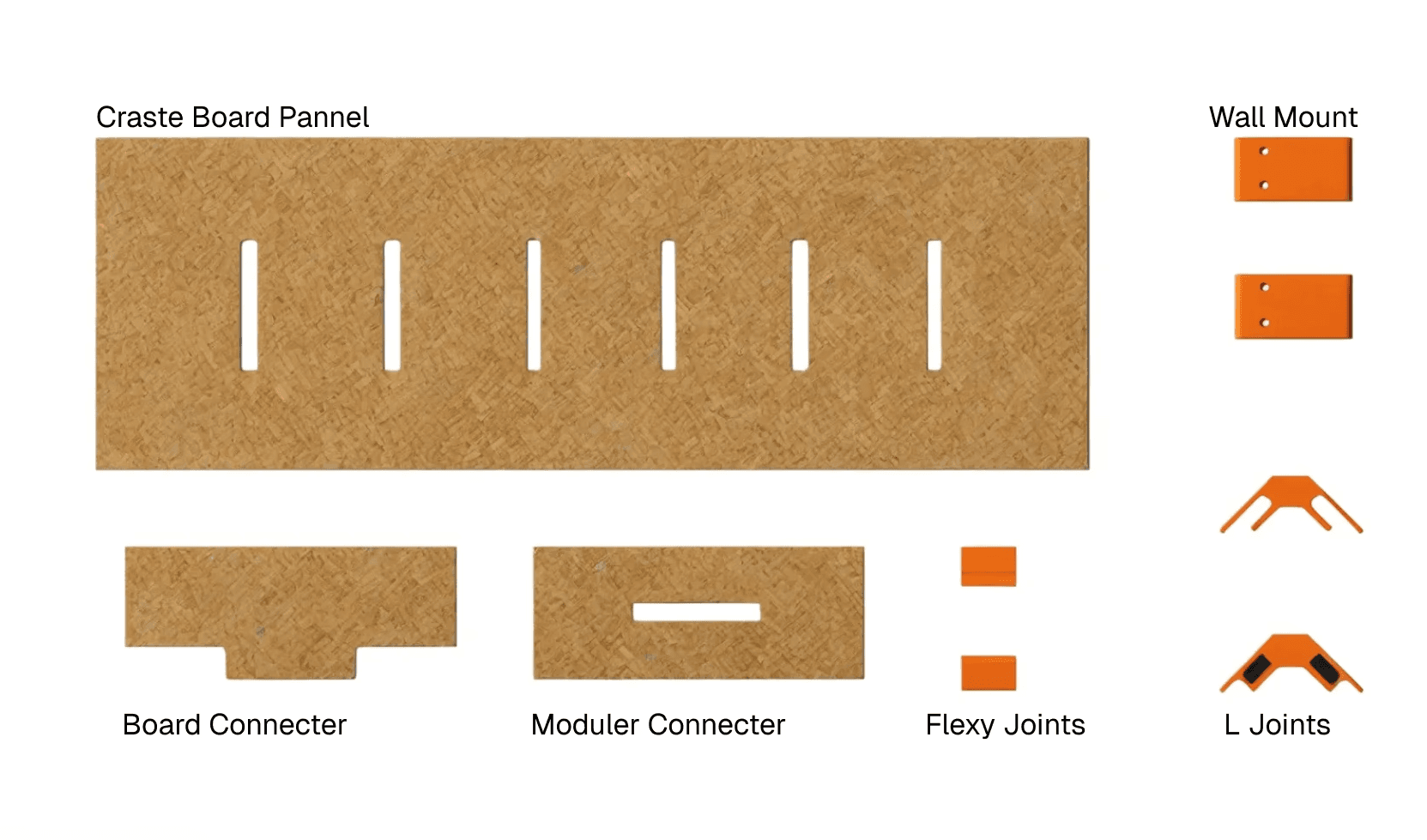
Making process
Making process
Renders

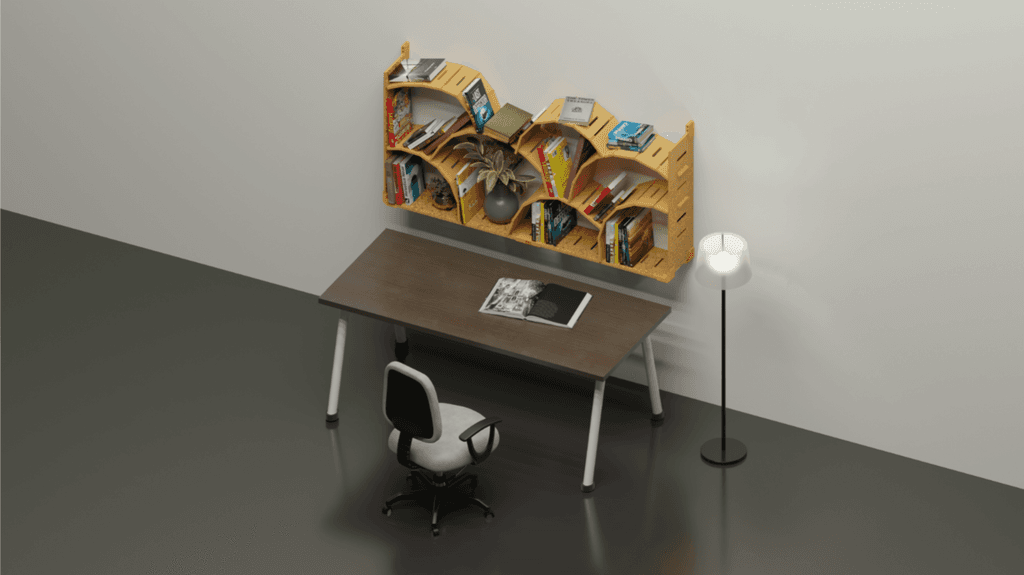

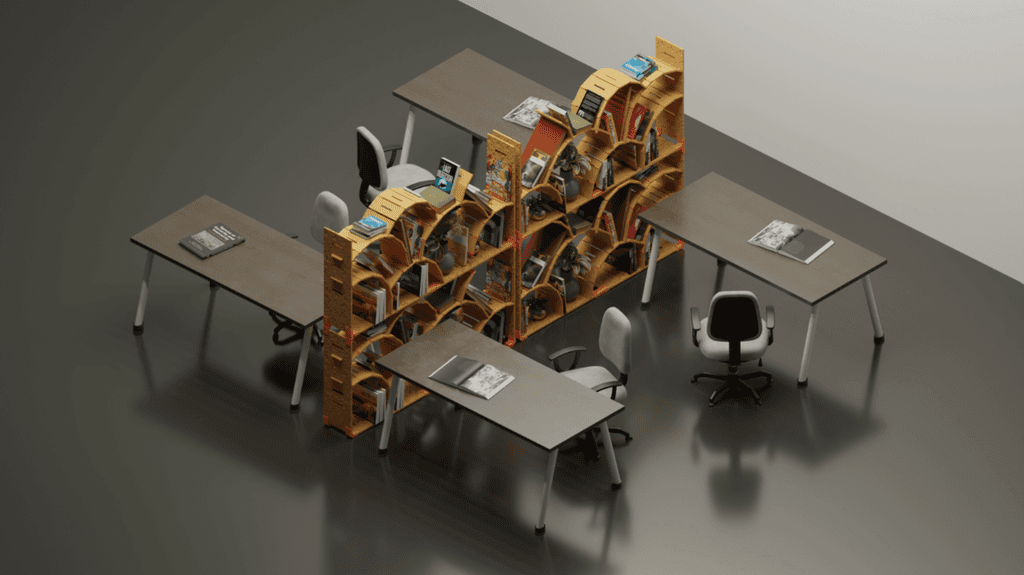
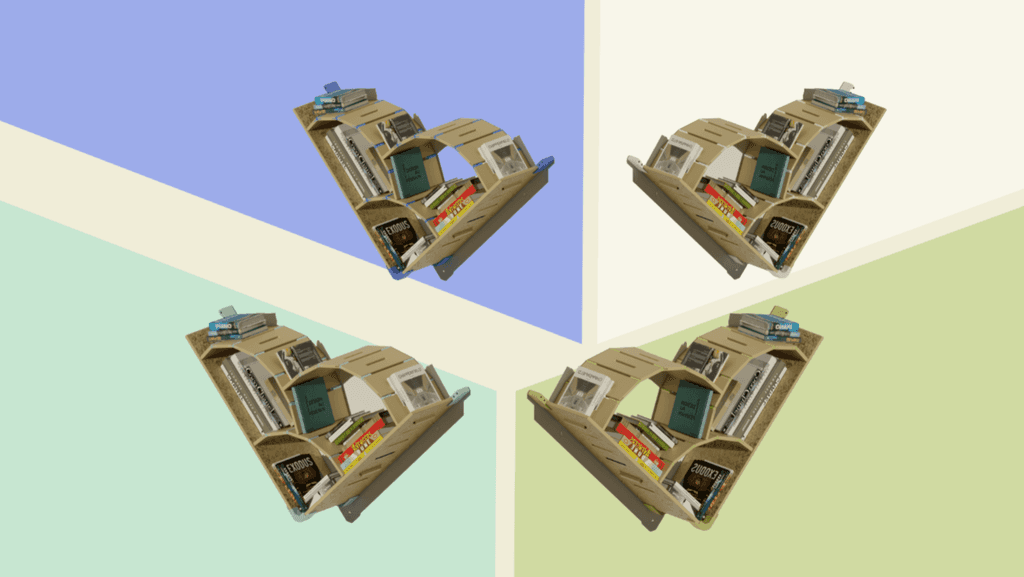

Assembly
Assembly
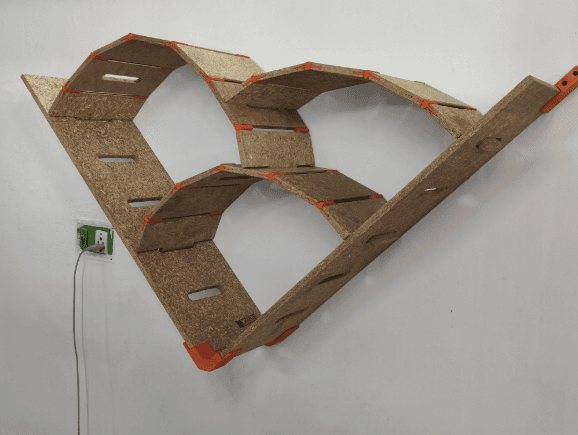
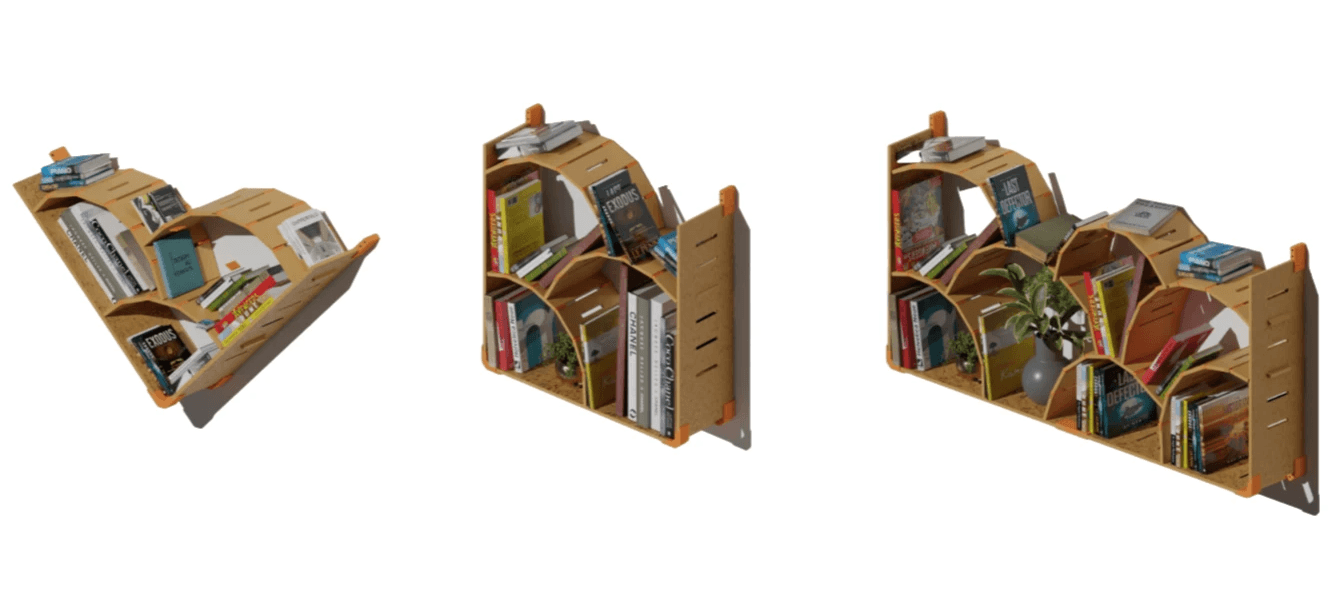
Modular chains in action, length of each scale can be altered by simply adding or removing one piece of Craste board
Modular chains in action, length of each scale can be altered by simply adding or removing one piece of Craste board
Design Features
Design Features
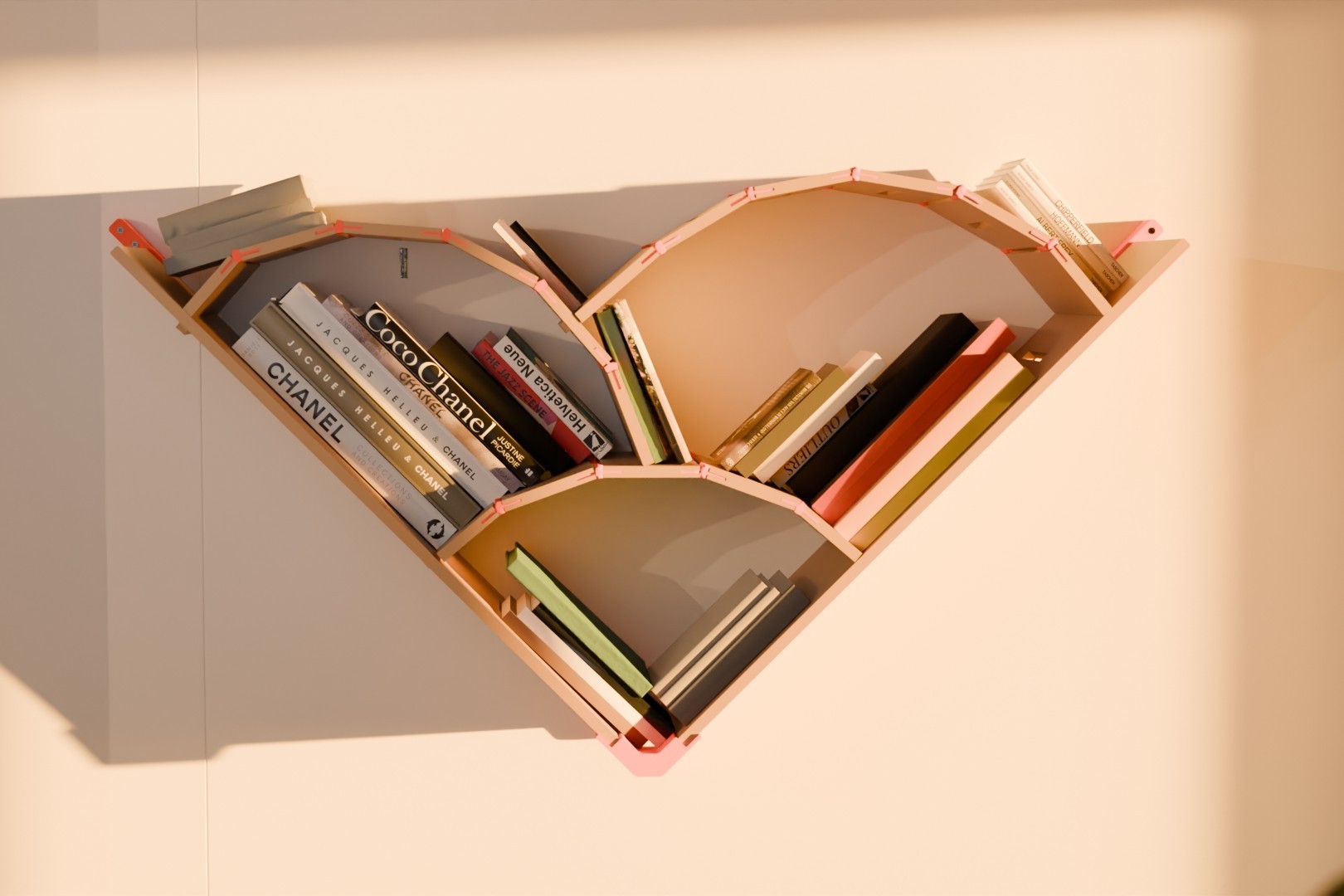
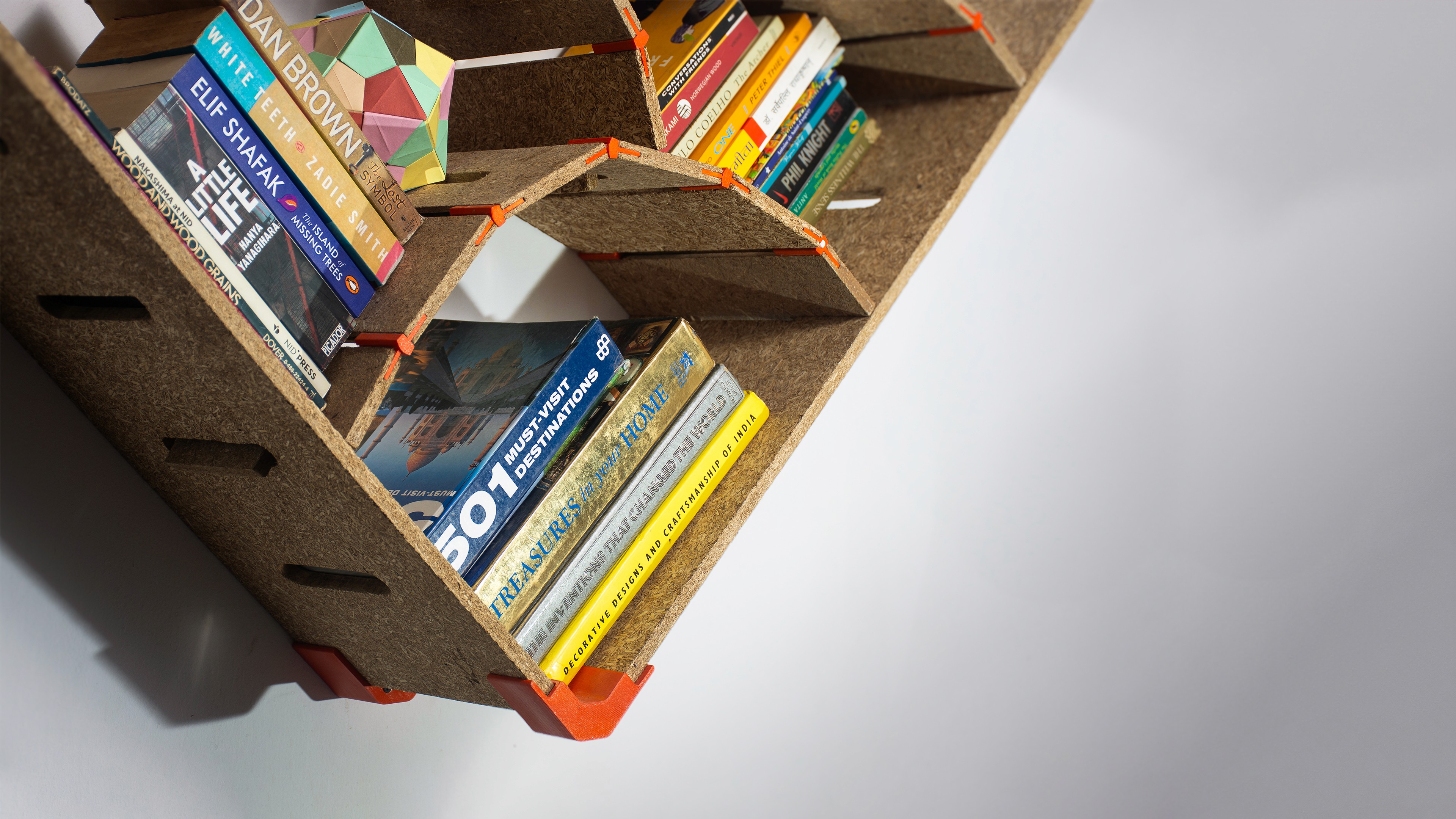
Infinitely scalable and adaptable to any grid, the system also functions as a free-standing unit.
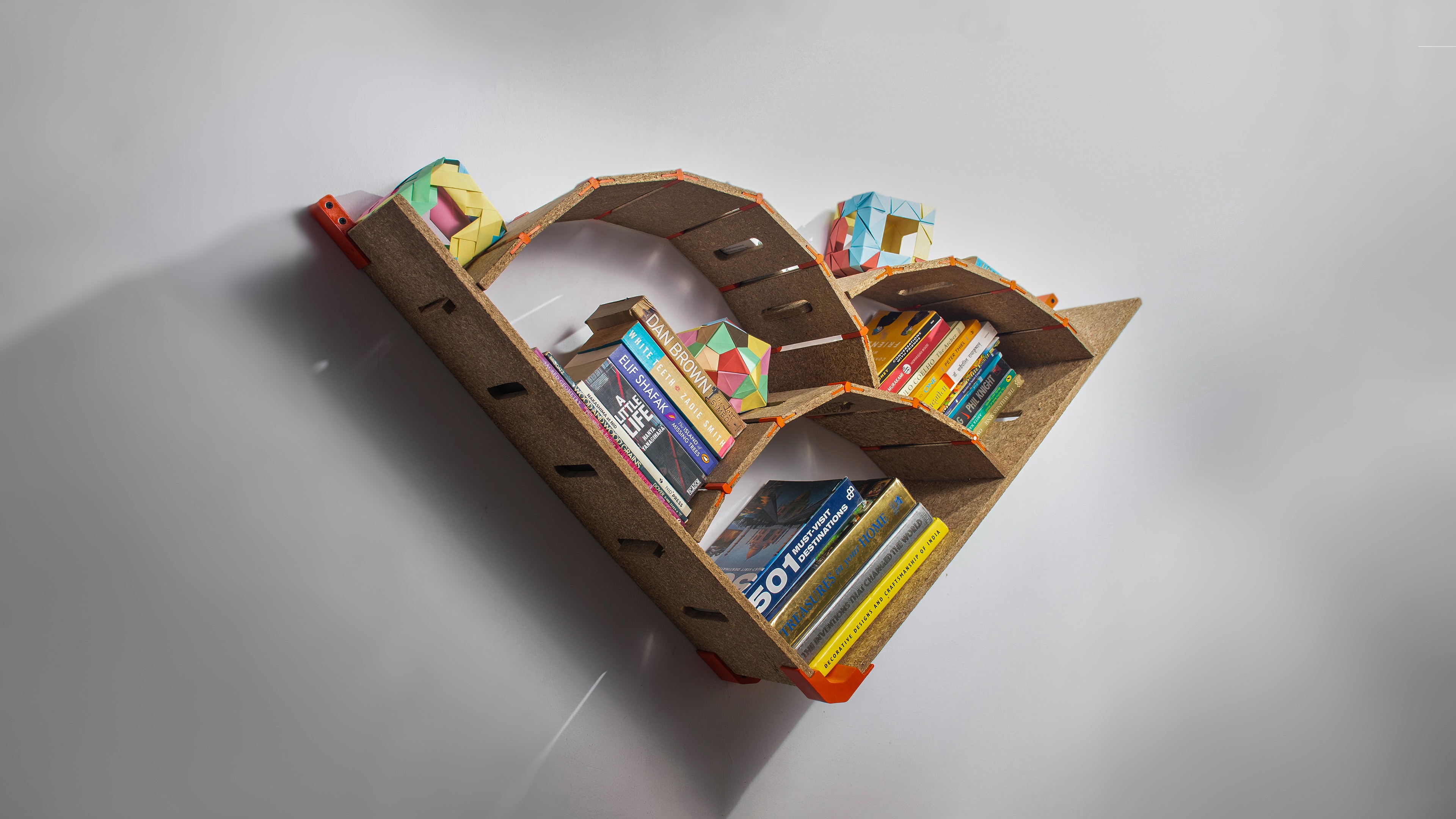
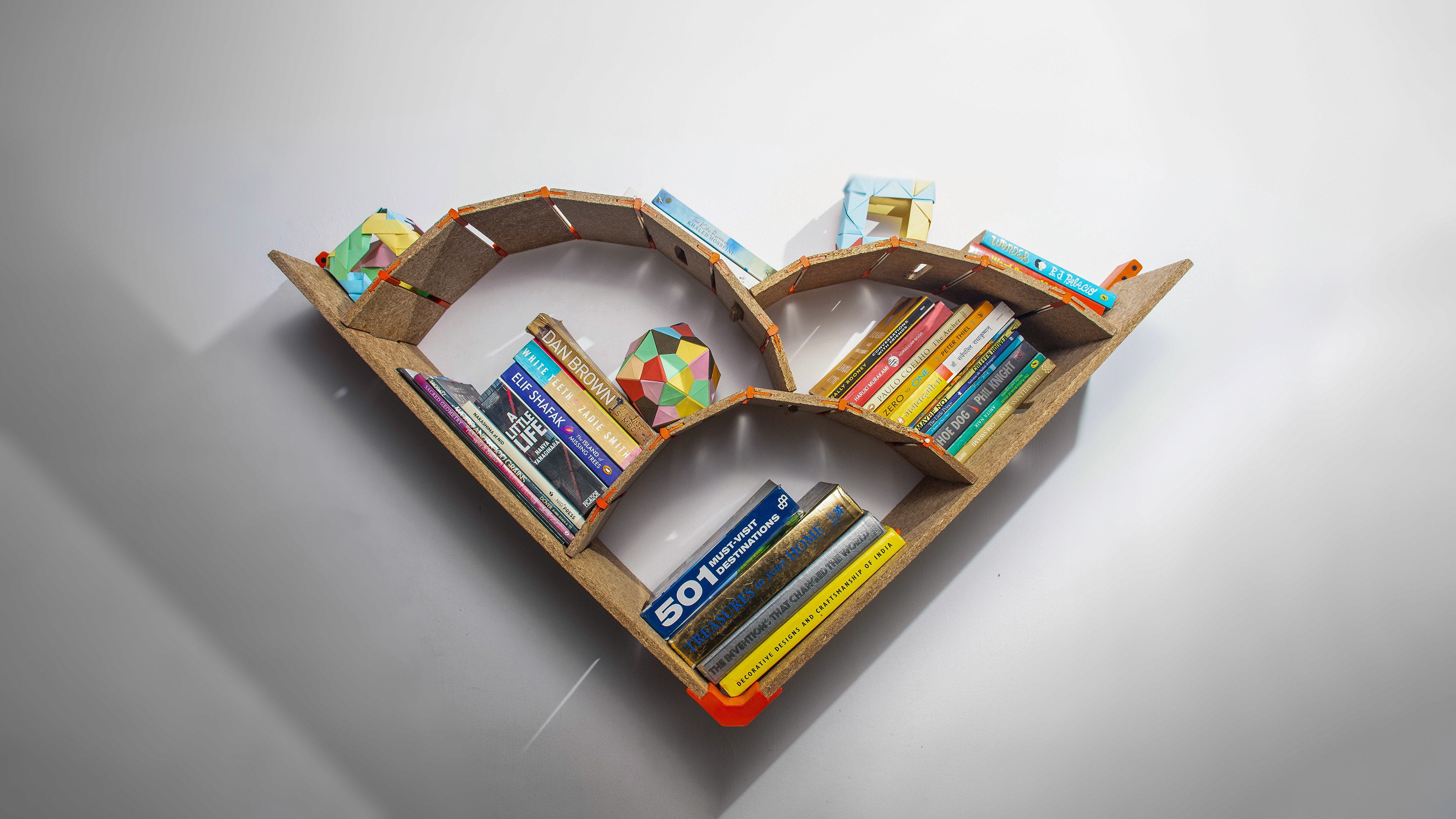
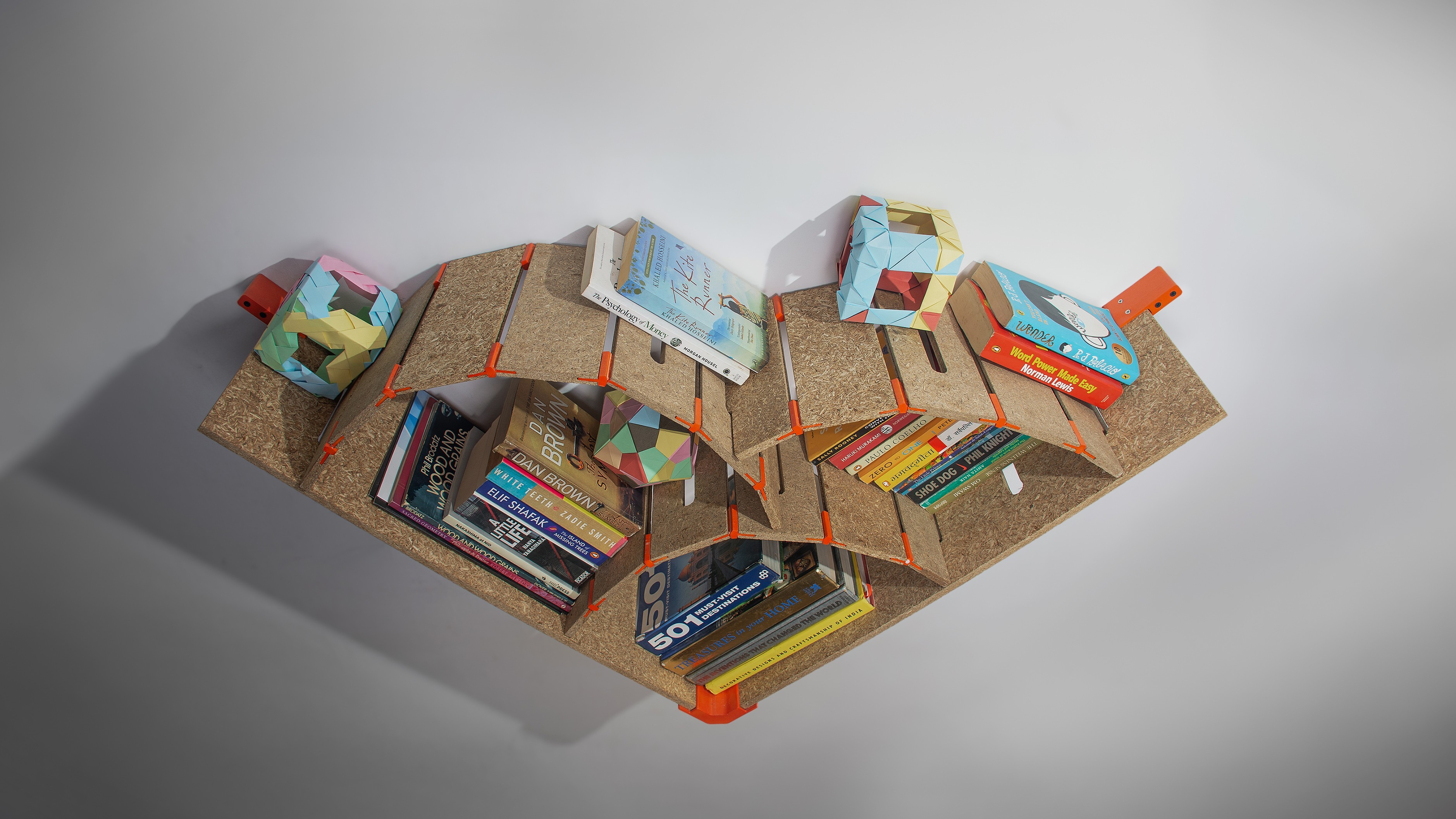
Modular stacking arcs can be rearranged or customized to suit diverse storage needs, accommodating everything from large studio books to small novels.
Inspired by fish scales, interlocking Craste board arcs create seamless, load-bearing surfaces that combine structural efficiency with visual and functional versatility.
Infinitely scalable and adaptable to any grid, the system also functions as a free-standing unit.
Modular stacking arcs can be rearranged or customized to suit diverse storage needs, accommodating everything from large studio books to small novels.
Inspired by fish scales, interlocking Craste board arcs create seamless, load-bearing surfaces that combine structural efficiency with visual and functional versatility.
Cmf
Cmf
Final Prototype
Final Prototype


Achivement
Achivement
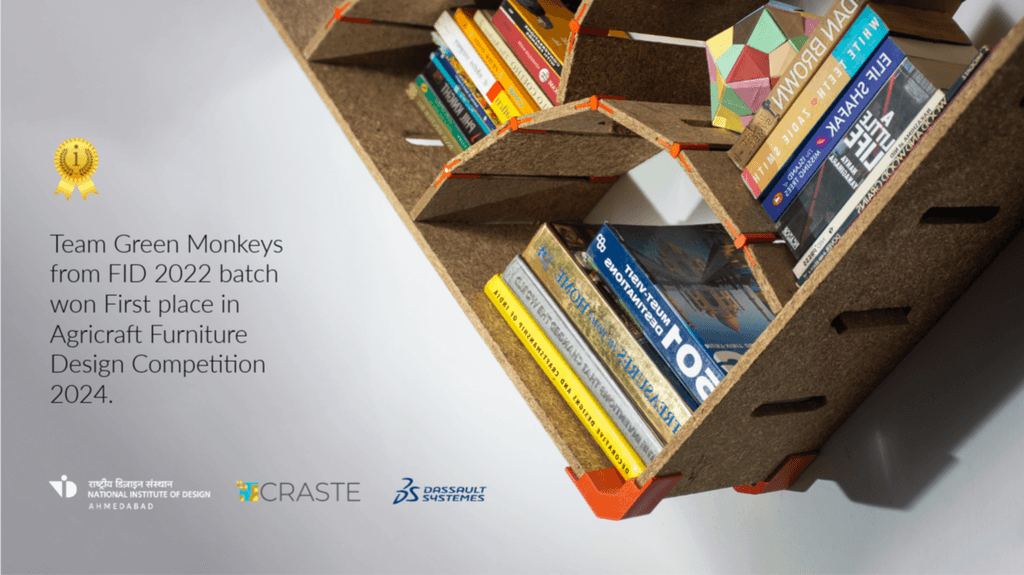
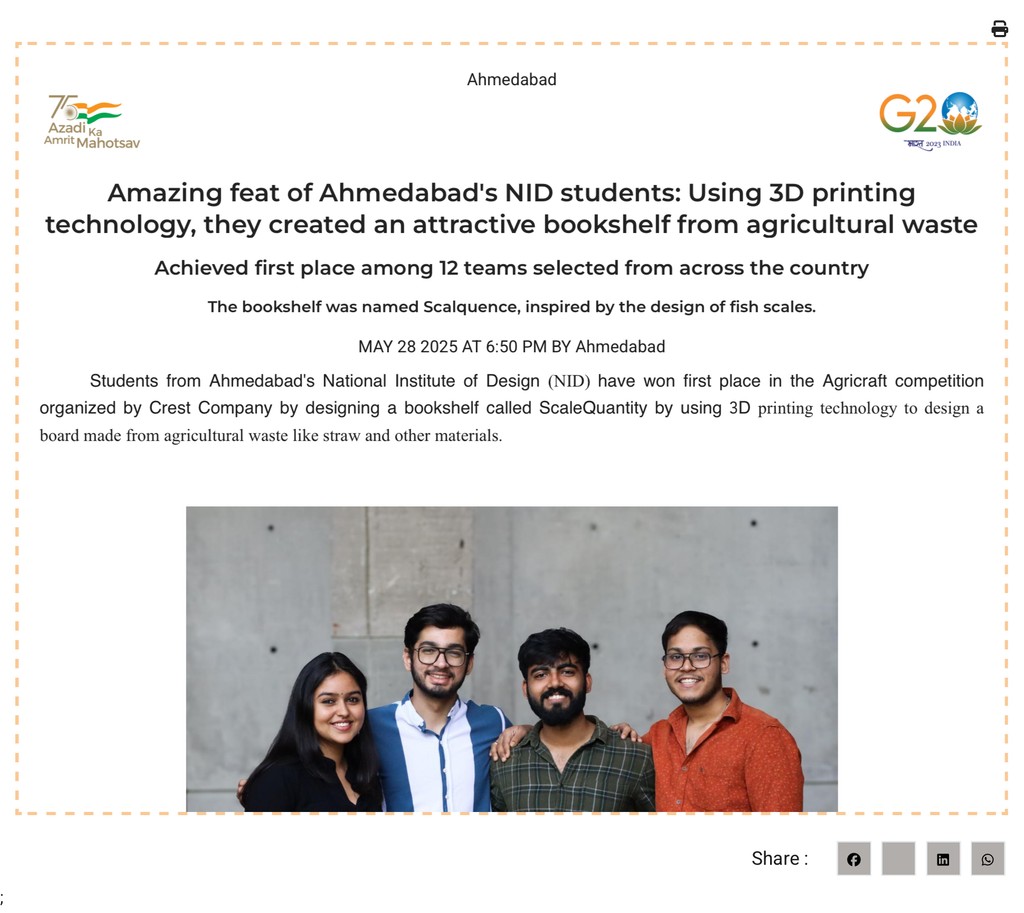
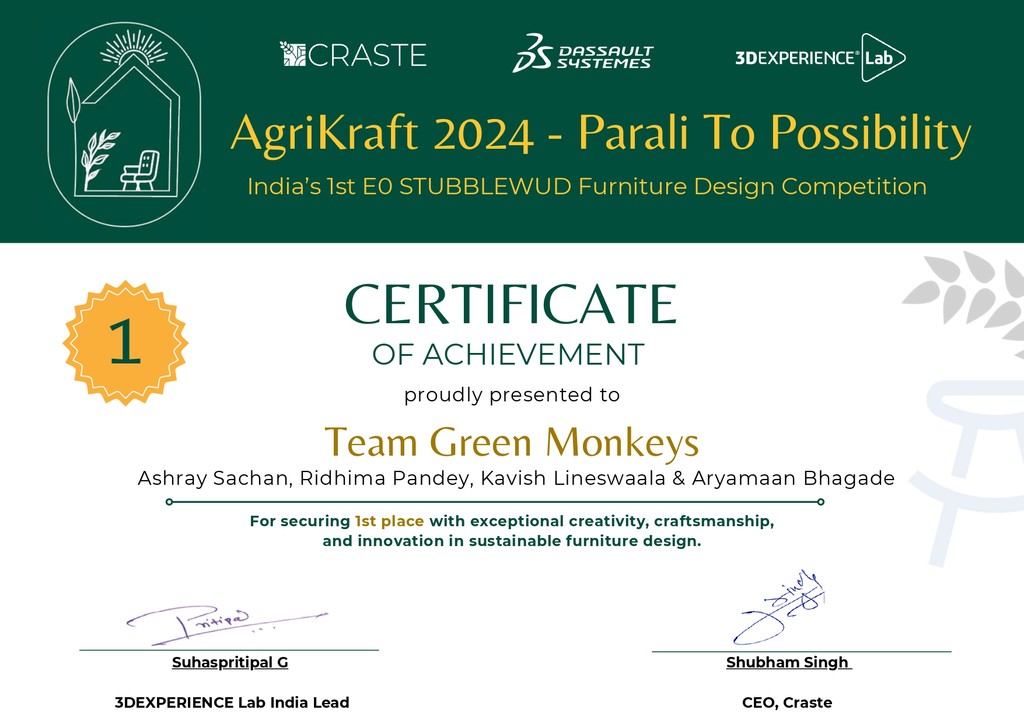

Scalequence.
Team : Kavish, Riddhima, Aaryaman, Ashray
Company :
Scalequence.
Team : Kavish, Riddhima, Aaryaman, Ashray
Company :
Scalequence //
Re-imagining Book Storage
Brief-1
Theme Focus: Use nature as the primary inspiration for furniture design, not just in form and aesthetics but also in function. Students could be asked to draw inspiration from natural processes, biomimicry, or organic shapes, while using Craste’s boards.
Brief-2
Theme Focus: Take traditional furniture designs and reimagine them using Craste’s modern, sustainable materials. This could involve updating heritage pieces with new functionality or giving classic forms a contemporary twist.
Brief-3
Theme Focus: Designing furniture that brings elements of nature into urban living spaces. This could be through integrating planters, using organic shapes, or creating spaces for greenery within the furniture itself.